
Last updated September 25, 2026
ADU Warning Signs: A Long Beach Homeowner’s Reference Guide
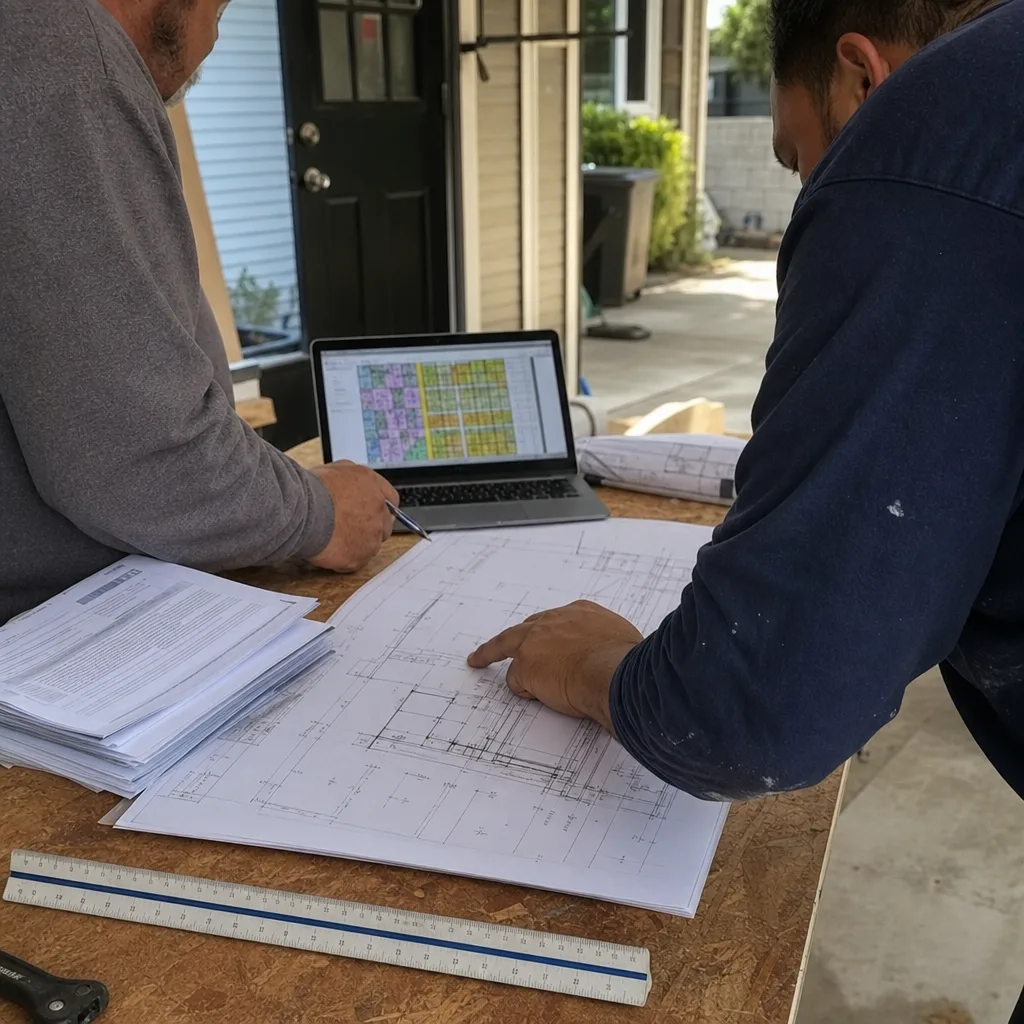
A contractor who cannot produce a current CSLB license and certificate of liability insurance in the first conversation is statistically more likely to abandon a Long Beach ADU project before final inspection than one who can. Worse, California’s mechanics lien laws mean that contractor can still force payment even with unfinished work. Most ADU failures in Long Beach don’t begin with dramatic collapses or obvious fraud. They start with small procedural shortcuts: a missing permit fee line item, a verbal change order, a soils report that was never submitted. This reference catalogs those warning signs by project phase so you can spot trouble before it becomes a five-figure problem.
Quick Answer
The most common warning signs of a failing ADU project in Long Beach are procedural, not structural: bids without site visits, drawings without engineer stamps, inspections skipped “to save time,” and lien releases never collected from subcontractors. Verify every claim independently through the Long Beach Development Services permit portal, not through the contractor’s word alone.
Table of Contents
- Pre-Contract Red Flags: Before You Sign Anything
- During-Design Red Flags: The Permit Set Phase
- During-Construction Red Flags: Active Work
- Post-Construction Red Flags: Close-Out and Move-In
- How to Verify Permits Yourself in Long Beach
- Common Mistakes to Avoid
- When to Call a Professional
- Frequently Asked Questions
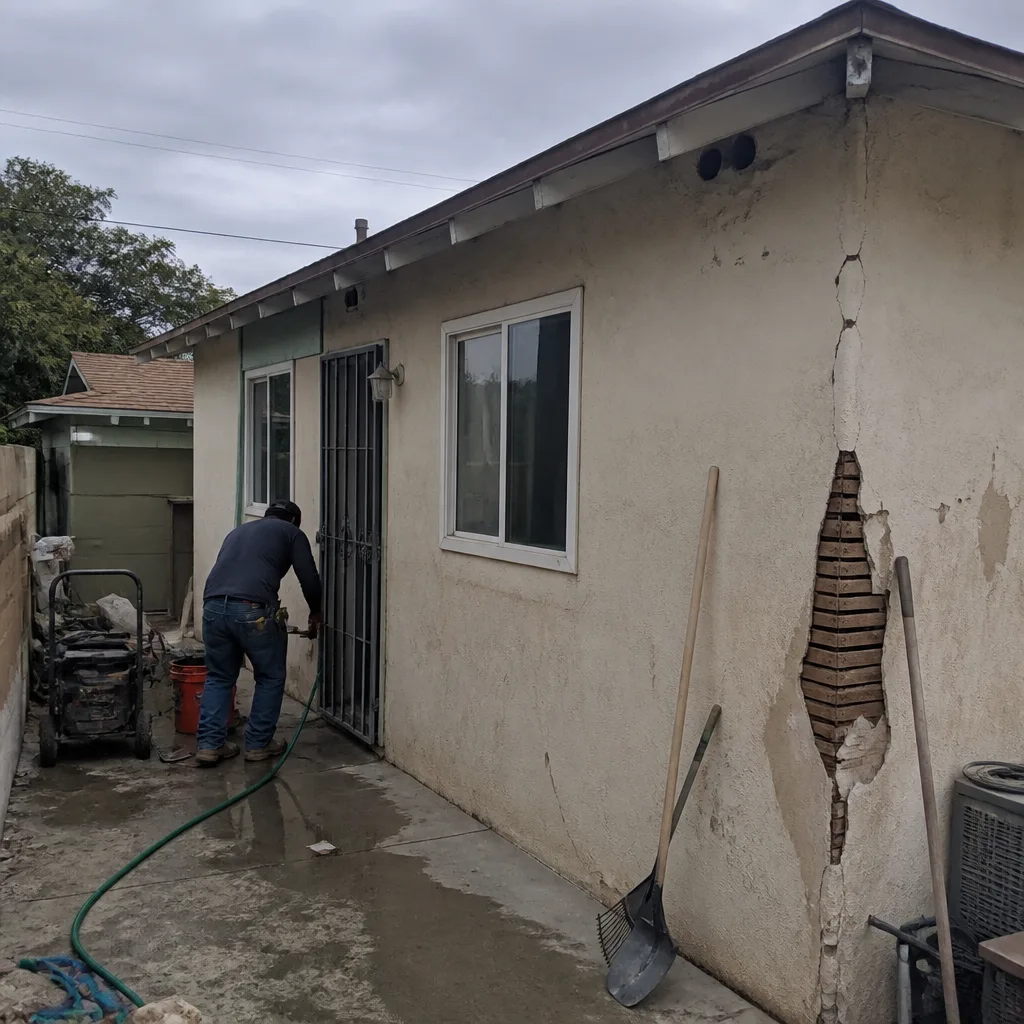 Before
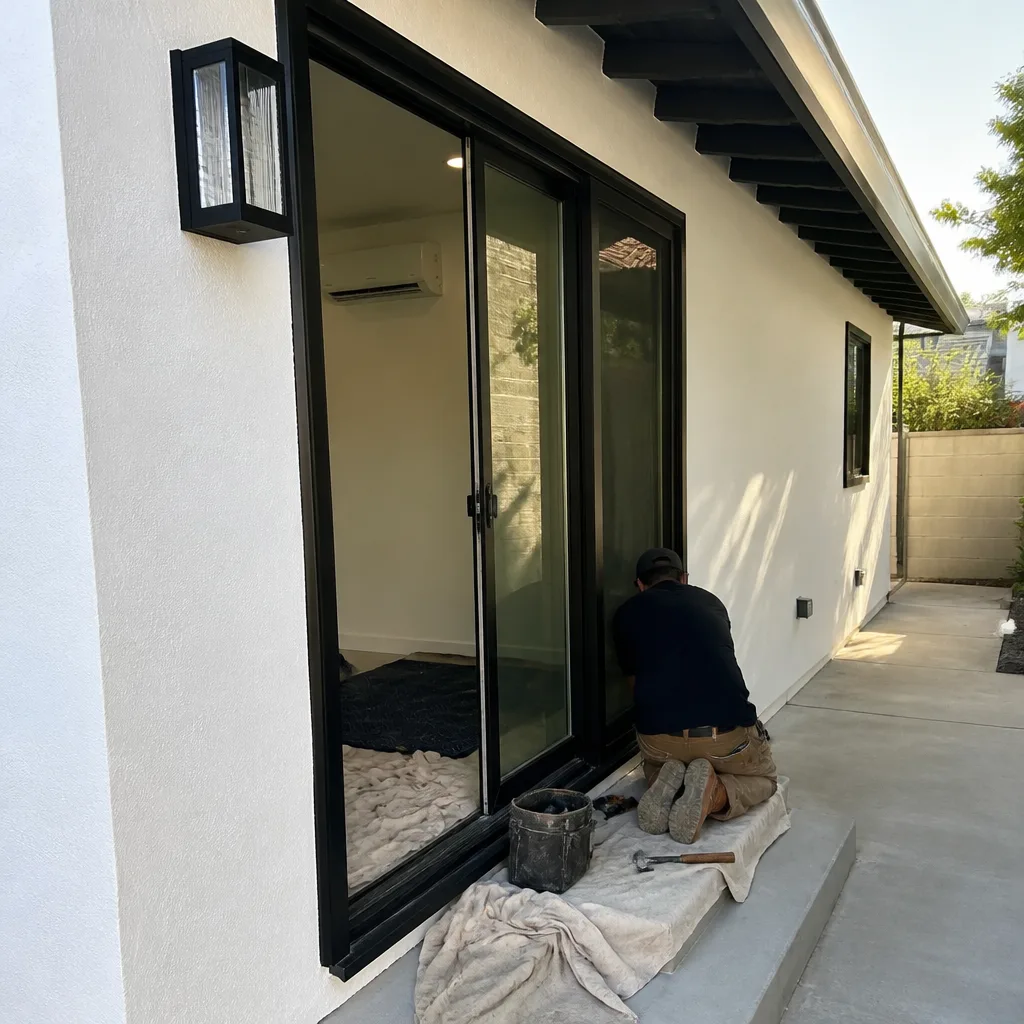 After
AfterPre-Contract Red Flags: Before You Sign Anything
The warning signs that destroy ADU projects in Long Beach are almost always visible at the first meeting. Here’s what we’ve observed across 900+ projects since 2015, compiled in our Complete Guide to ADU in Long Beach.
Vague Scope Exhibits
A legitimate ADU contract in Long Beach includes a detailed scope exhibit: square footage, ceiling heights, window specifications, electrical panel amperage, and plumbing fixture counts. If the exhibit reads “build ADU per plan” or references drawings that haven’t been produced yet, you have no enforceable standard. Under Ellery ADU Studio Long Beach home‘s Haven Standard, Clause 1 locks the written price to a written scope; anything less leaves you exposed to scope creep.
Ask specifically: “What happens if the city requires a retaining wall that isn’t in this bid?” The answer should reference a change-order process with written approval and a price ceiling, not “we’ll figure it out later.”
Missing Permit-Fee Line Items
Long Beach ADU permit fees vary by project type and valuation, but they are not negligible. A garage conversion ADU typically incurs plan check fees, building permit fees, and separate plumbing, electrical, and mechanical permit fees. A new detached ADU adds grading and potential school impact fees. If your bid omits permit fees entirely, or lists them as a single round number without breakdown, the contractor either doesn’t know Long Beach’s fee schedule or is hiding a cost that will appear later.
At Ellery, every ADU Design & Permitting in Long Beach quote includes a permit-fee estimate based on current Long Beach Development Services rates, with the understanding that actual fees are set by the city at submittal.
No Named Subcontractor List
California law requires prime contractors to disclose subcontractors performing work exceeding $500 or 5% of the prime contract. A bid with no subcontractor names means you cannot verify licenses, insurance, or lien risk. Request the list. Then verify each subcontractor’s CSLB license status independently.
Bids Without Site Visits
An ADU bid prepared without walking your property is a guess, not a quote. Long Beach’s soil conditions vary block by block; the Belmont Shore peninsula sits on fill soils that may require engineered foundations, while areas near Signal Hill encounter stiffer native soils. A contractor who bids from satellite imagery cannot assess slope, access for concrete trucks, or the condition of your existing garage slab. At Ellery, we do not issue written prices without a site evaluation; Haven Standard Clause 1 requires it.
Pressure to Sign Immediately
Legitimate design-build studios in Long Beach do not use expiration dates measured in hours. A written price should remain valid long enough for you to obtain competing quotes, which we encourage. Our Free Second Opinion exists precisely because informed homeowners make better decisions, as explained in our DIY vs Professional ADU guide.
During-Design Red Flags: The Permit Set Phase
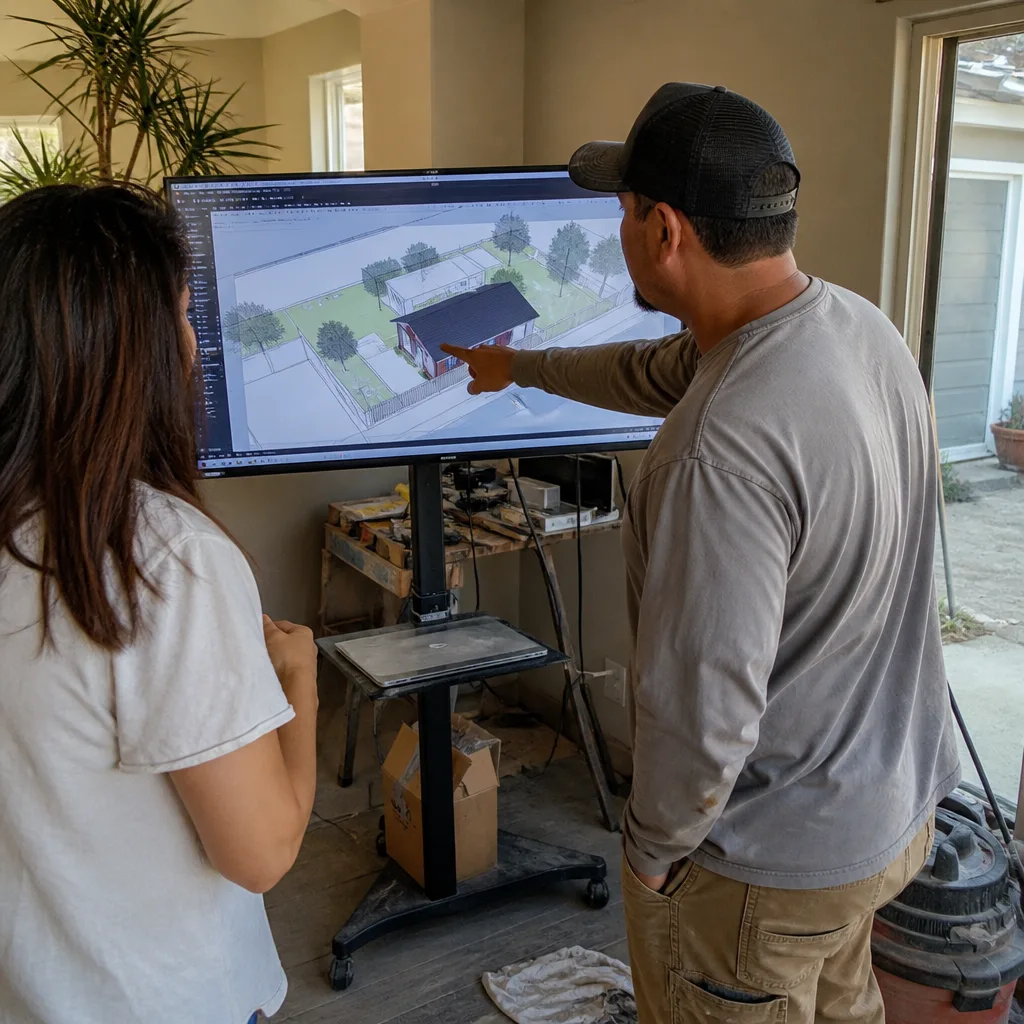
The permit set - the drawings, calculations, and documentation submitted to Long Beach Development Services for plan check - is the core product of any ADU project. Shortcuts here don’t just delay construction; they can produce a structure that cannot legally be occupied.
Drawings That Reference the Wrong Zoning District
Long Beach contains multiple zoning overlays: R-1, R-2, R-3, R-4, and specific plan areas like the Downtown Plan or the Southeast Area Specific Plan. Each has distinct setback, height, and lot coverage rules. A plan set that references “standard R-1 setbacks” without confirming your specific parcel’s zoning is incomplete. We’ve reviewed permit sets from other firms that applied Los Angeles County standards to Long Beach parcels, resulting in plan-check rejections that cost homeowners six weeks.
Verify your zoning directly: enter your address in the Long Beach Development Services property information tool before design begins.
Structural Calculations Without Engineer Stamps
Any ADU in Long Beach involving new construction, significant structural modification, or work in a seismic or hillside zone requires structural calculations stamped by a California-licensed civil or structural engineer. “In-house engineering” performed by unlicensed staff is not sufficient. The stamp is not decorative; it is the engineer’s professional liability attaching to the design. Request the engineer’s license number and verify it at BPELSG.
Missing Soils Data When Required
Long Beach’s geotechnical requirements are explicit: new detached ADUs, garage conversions with slab replacement, and any project in a liquefaction zone require a geotechnical report. The 2022 Long Beach Building Code references CBC Section 1803 for soils investigation requirements. If your designer submits without soils data and the plan checker flags it, you face a 4-6 week delay while the report is produced and reviewed.
At Ellery, we coordinate soils investigation during design, not after submittal. The report becomes part of the permit set, not an afterthought.
Plan Sets That Omit Fire-Separation Details
Garage conversion ADUs in Long Beach require specific fire-rated assemblies between the new dwelling unit and any remaining garage space. A plan set that hand-waves this with “provide 1-hour fire separation per code” without detailing the specific assembly - gypsum thickness, fastener spacing, penetration sealing - invites inspector rejection and field improvisation.
During-Construction Red Flags: Active Work
Construction is where small deviations compound. The warning signs below are observable by any homeowner willing to check.
Skipped Inspections
Long Beach Development Services requires sequential inspections for ADU projects: foundation, framing, plumbing rough, electrical rough, mechanical rough, insulation, and final. A contractor who suggests “we’ll call them all at once at the end” is proposing an illegal shortcut. Worse, concealed work that fails inspection must be exposed, at your expense. Verify inspection status yourself; see the verification section below.
Verbal Change Orders
Every change to scope, price, or schedule must be documented in writing before work proceeds. Haven Standard Clause 5 (No Surprises) explicitly prohibits verbal change orders. If your contractor says “it’s just a small thing, we’ll sort it out in the final invoice,” stop work until the change is documented, priced, and signed.
Substituted Materials Without Written Approval
Long Beach’s coastal climate - salt air, morning fog, occasional flooding in low-lying areas - makes material selection consequential. A contractor who substitutes specified materials without written approval may be cutting costs or solving a supply problem, but you bear the durability risk. James Hardie fiber-cement siding, for example, is specified for many Long Beach ADUs precisely because it resists salt-air corrosion better than standard wood composites. An unapproved substitution to vinyl siding in a coastal zone is a latent defect.
Unexplained Schedule Compression
ADU construction in Long Beach typically runs 4-8 months from permit issuance to final inspection, depending on complexity. A contractor who suddenly accelerates the schedule - framing before the foundation inspection is signed off, for instance - is often trying to stay ahead of a payment milestone or conceal a problem. Ask for the specific inspection sign-off that permits the next phase to begin.
Missing Photo Documentation
At Ellery, every site visit produces a documented photo record that the client receives, per Haven Standard Clause 3. This is not marketing; it is evidence. If your contractor cannot show you photos of concealed work - the foundation rebar before the pour, the plumbing pressure test, the electrical panel before the drywall - you have no verification that work was performed to code.
Post-Construction Red Flags: Close-Out and Move-In
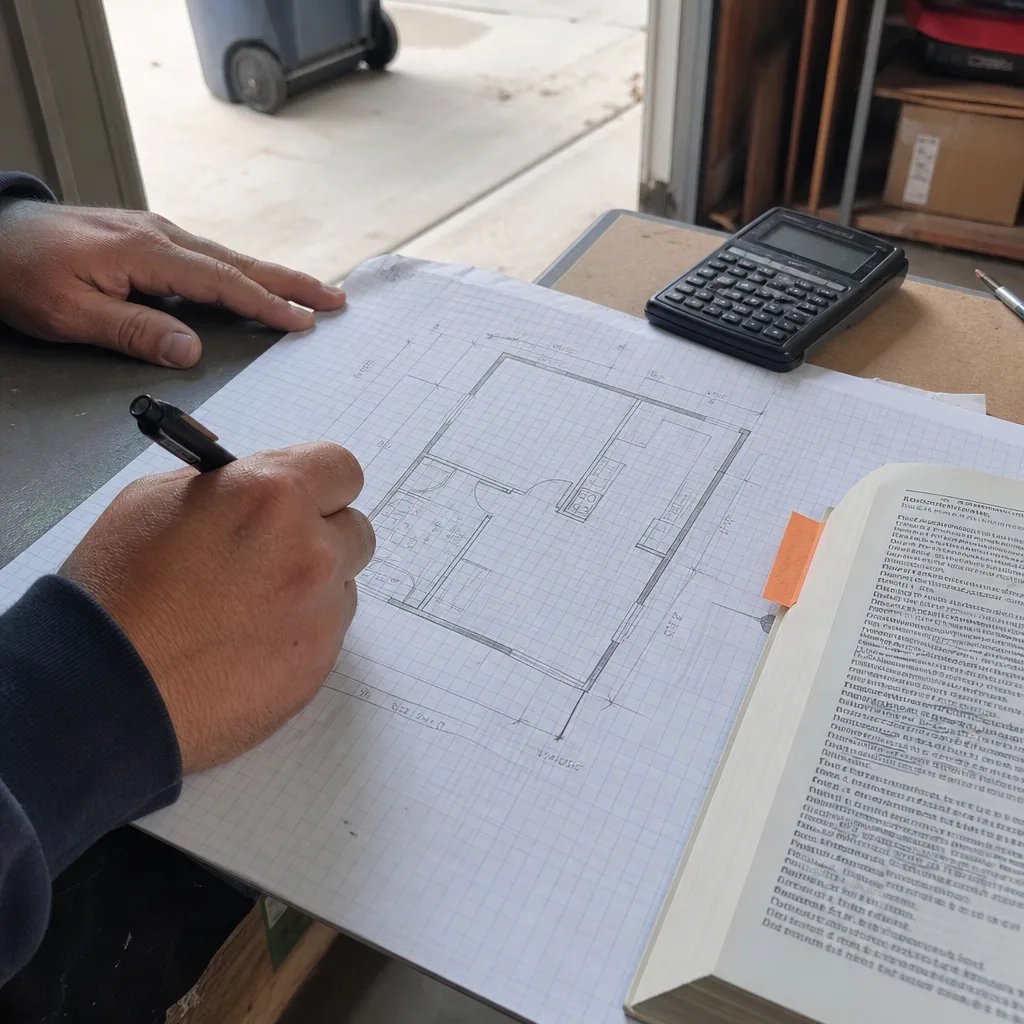
The final phase contains risks that persist long after the contractor leaves.
Certificate of Occupancy Promised But Not in Hand
In Long Beach, no ADU can be legally occupied without a Certificate of Occupancy (CO) or equivalent final approval from the building official. A contractor who declares the project “done” while the CO is pending has left you with an uninhabitable structure. Do not move in, do not rent it, and do not accept final payment until the CO is issued. The CO is verifiable in the permit portal; see below.
Punch-List Items Deferred Past Move-In
Deferred punch-list items rarely get completed. Once you’re occupying the unit, the contractor’s incentive evaporates. Insist on punch-list completion before final payment release. Haven Standard Clause 6 requires it.
Lien Release Waivers Never Collected
California mechanics lien law allows subcontractors and material suppliers to lien your property for unpaid bills, even if you paid the prime contractor in full. The only protection is a signed conditional lien release with each progress payment, and an unconditional release upon final payment. If your contractor “handles all that” but cannot produce the waivers, you remain exposed. We’ve seen Long Beach homeowners face $30,000+ liens from unpaid concrete suppliers on projects where the prime contractor had been paid months earlier.
Missing Warranty Documentation
The 365-Day Done Right Promise at Ellery is backed in writing before the project starts. If your contractor’s “warranty” is a verbal assurance or a vague paragraph in the contract, you have no enforceable protection. Request the specific warranty document, the coverage period, and the remedy process.
How to Verify Permits Yourself in Long Beach
Do not rely on your contractor’s word that inspections passed. Verify independently in four steps.
- Obtain the permit number. Your contractor must provide this. It is printed on the permit card posted at the job site.
- Access the Long Beach permit portal. Visit Long Beach Development Services and navigate to the online permit lookup tool.
- Enter the permit number. The system displays the permit status, scheduled inspections, and inspection results.
- Verify each inspection status. Each required inspection should show “Approved” or “Passed” before the next construction phase begins. “Pending” or “Not Scheduled” for a completed phase is a red flag.
If the permit number does not appear in the system, or if approved inspections lack corresponding dates, contact Long Beach Development Services directly at (562) 414-4842. This verification takes five minutes and has saved our prospective clients from projects with no valid permit at all.
Common Mistakes to Avoid
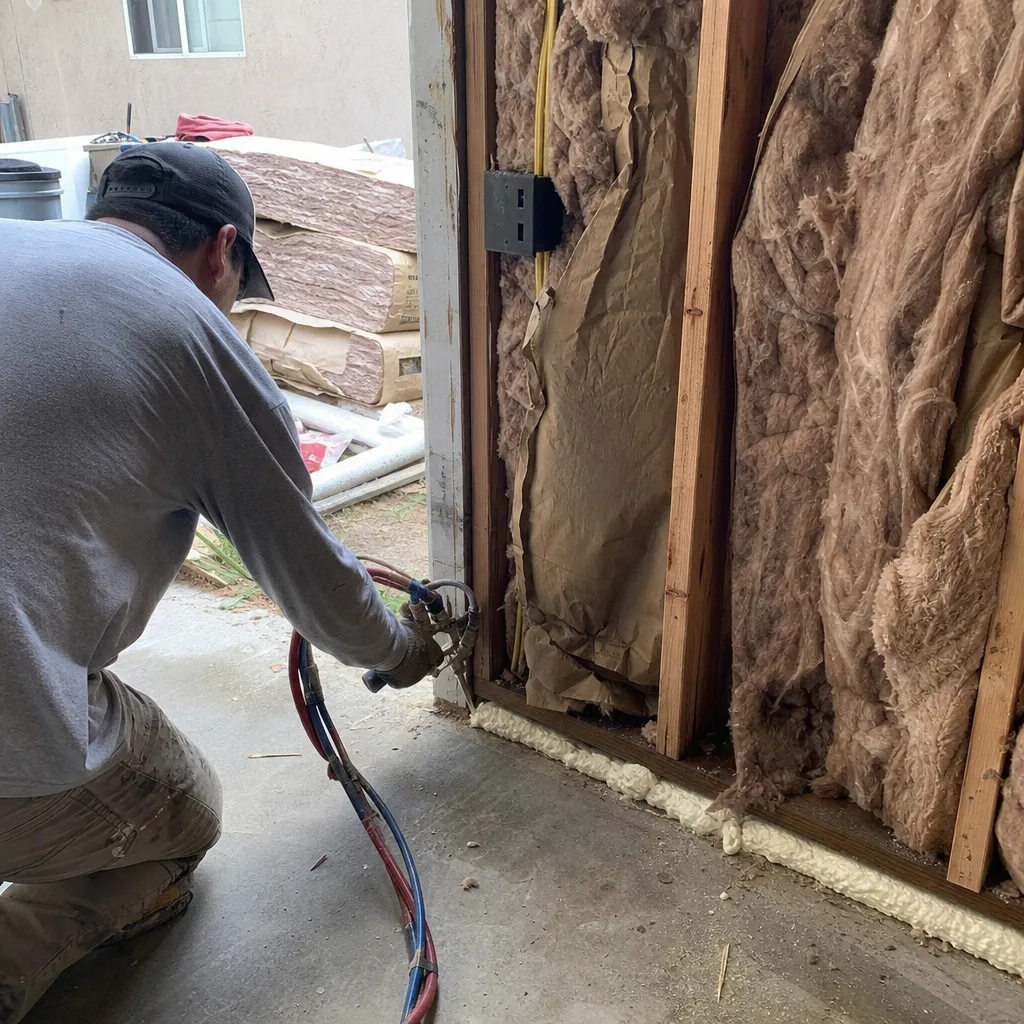
- Accepting a “design-only” contract without construction accountability. When the designer and builder are separate entities, each can blame the other for permit delays and cost overruns. Ellery’s one-contract Garage Conversion ADU in Long Beach model eliminates this gap.
- Assuming prefab ADUs bypass permitting. Modular and prefab systems from brands like Plant Prefab, Tuff Shed, and Abodu still require full Long Beach plan check, foundation engineering, and utility connections. A contractor who suggests otherwise is misinformed or deceptive.
- Ignoring coastal zone requirements. Properties west of Pacific Coast Highway or in the Belmont Shore area may face additional California Coastal Commission or local coastal development permit requirements. Standard inland ADU rules do not automatically apply.
- Paying final invoice before CO issuance. Once final payment is released, your leverage disappears. Structure payments to retain 5-10% until the Certificate of Occupancy is in hand.
- Failing to verify the contractor’s license bond. CSLB requires active bonds for license maintenance. A contractor with a suspended or expired bond cannot legally perform work, and their license may be inactive.
- Neglecting utility capacity verification. Long Beach Water Department and Southern California Gas may require service upgrades for ADU additions. A bid that assumes existing capacity without utility confirmation risks mid-project change orders.
When to Call a Professional
Call a licensed design-build studio when any warning sign above appears, or when you’re evaluating a bid that feels incomplete; see How to Hire an ADU Contractor in Long Beach for guidance. Ellery ADU Studio Long Beach offers free estimates in Long Beach - call (562) 414-4842. We also provide a Free Second Opinion on any written estimate already in hand, with no obligation to proceed. If you’re mid-project and suspect permit or inspection problems, we can review your documentation and advise on remediation, though we cannot assume liability for work performed by others.
Frequently Asked Questions
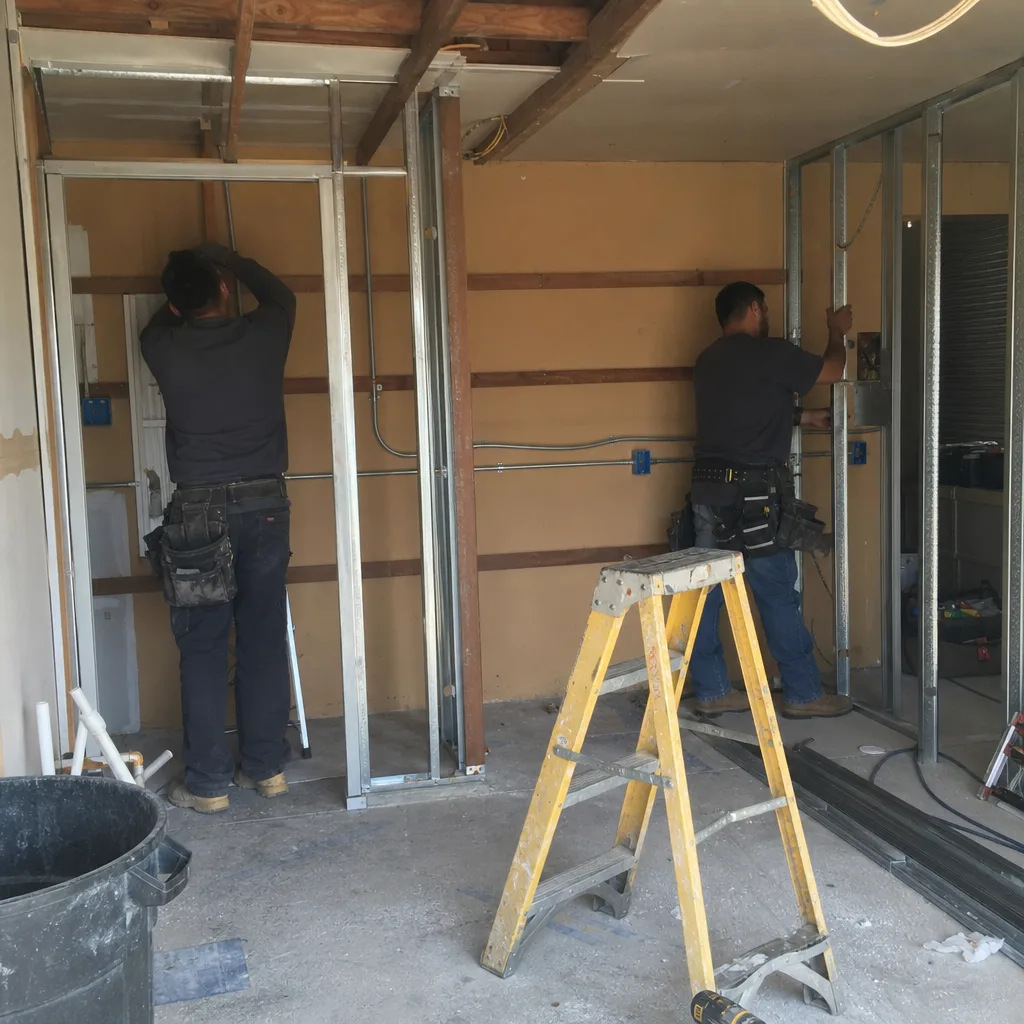
Revising and resubmitting a rejected permit set typically costs $2,500-$7,500 in additional design fees and $800-$2,000 in new plan-check fees, plus 4-10 weeks of delay. Call (562) 414-4842 for an exact quote on your situation - estimates are free.
Yes. Enter the license number at CSLB.ca.gov to confirm active status, bond validity, and any disciplinary history. Do this before signing any contract.
Occupancy without a CO violates Long Beach Municipal Code and California Health and Safety Code. The city can issue fines, require vacating the unit, and red-tag the structure until compliance is achieved. Insurance claims for the unpermitted occupancy may be denied.
Retain unconditional lien releases for at least 10 years, the maximum period for mechanics lien claims in California. Store them with your deed and title insurance documents.
Yes. We specify and coordinate prefab and modular systems from Abodu, Plant Prefab, Tuff Shed, and others within our single-contract design-build model. The permitting, foundation, utility connections, and final inspection remain our responsibility. See our New Detached ADU in Long Beach page for project examples.
Stop work immediately. Contact Long Beach Development Services to report the situation and request a corrective inspection. Concealed work may require destructive exposure. Document all communications. If the contractor refuses to cooperate, consult a construction attorney before making additional payments. Call (562) 414-4842 if you need a second opinion on remediation scope.
The Bottom Line
ADU projects in Long Beach fail slowly, through accumulated procedural shortcuts, not sudden catastrophes. The warning signs are visible at every phase: vague contracts before signing, incomplete permit sets during design, skipped inspections during construction, and missing documentation at close-out. Your protection is verification - of licenses, of permits, of inspections, of lien releases - performed independently, not through your contractor’s assurance; find more guides & resources in our blog. The homeowners who fare best are those who treat documentation as the product, not an afterthought.
Written by Nadia Ellery, Owner at Ellery ADU Studio Long Beach, serving Long Beach since 2015.