
Last updated September 25, 2026
How to Hire a ADU Contractor in Long Beach: A Step-by-Step Guide
California’s Contractors State License Board logged a 34% increase in ADU-related complaints between 2021 and 2023. The majority involved scope disputes between a designer the homeowner hired and a contractor who bid from incomplete drawings. In Long Beach, where coastal zone overlays and utility access constraints already complicate the math, that gap between design intent and construction reality can cost homeowners $15,000 to $40,000 in mid-project corrections. This guide shows you how to structure the hire so that gap never opens. You’ll learn the exact license classifications to verify, the five questions that expose a weak bid, how to read contract language for hidden risk, and why the designer-versus-builder blame gap is the most expensive mistake in ADU construction. For more guides & resources, visit our blog.
Quick Answer
To hire an ADU contractor in Long Beach, verify a B-General Building license (and any required C-class specialty licenses) through the CSLB, confirm who stamps the structural drawings, demand a written scope with line-item pricing before signing, and structure the project under a single contract that covers both design and construction. The safest hire eliminates the handoff between designer and builder entirely.
Table of Contents
- Why the Designer-Builder Gap Destroys Budgets
- The CSLB License Check You Can Do in Three Minutes
- Five Questions to Ask Before You Sign
- How to Read a Long Beach ADU Bid for Completeness
- Red Flags in ADU Contract Language
- Prefab, Modular, and Stick-Built: Choosing the Right Path
- Long Beach Specific Permits, Zoning, and Utility Constraints
- Structuring Payment Milestones That Protect You
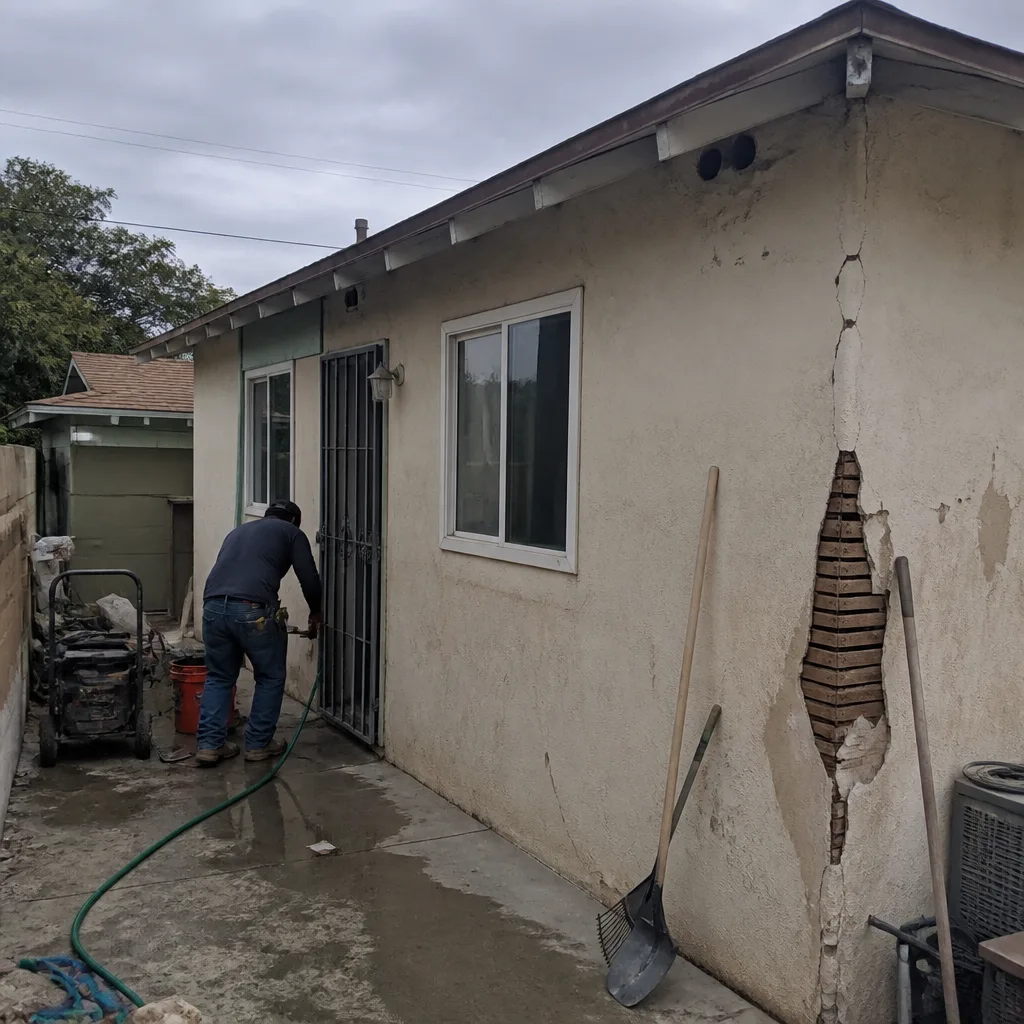 Before
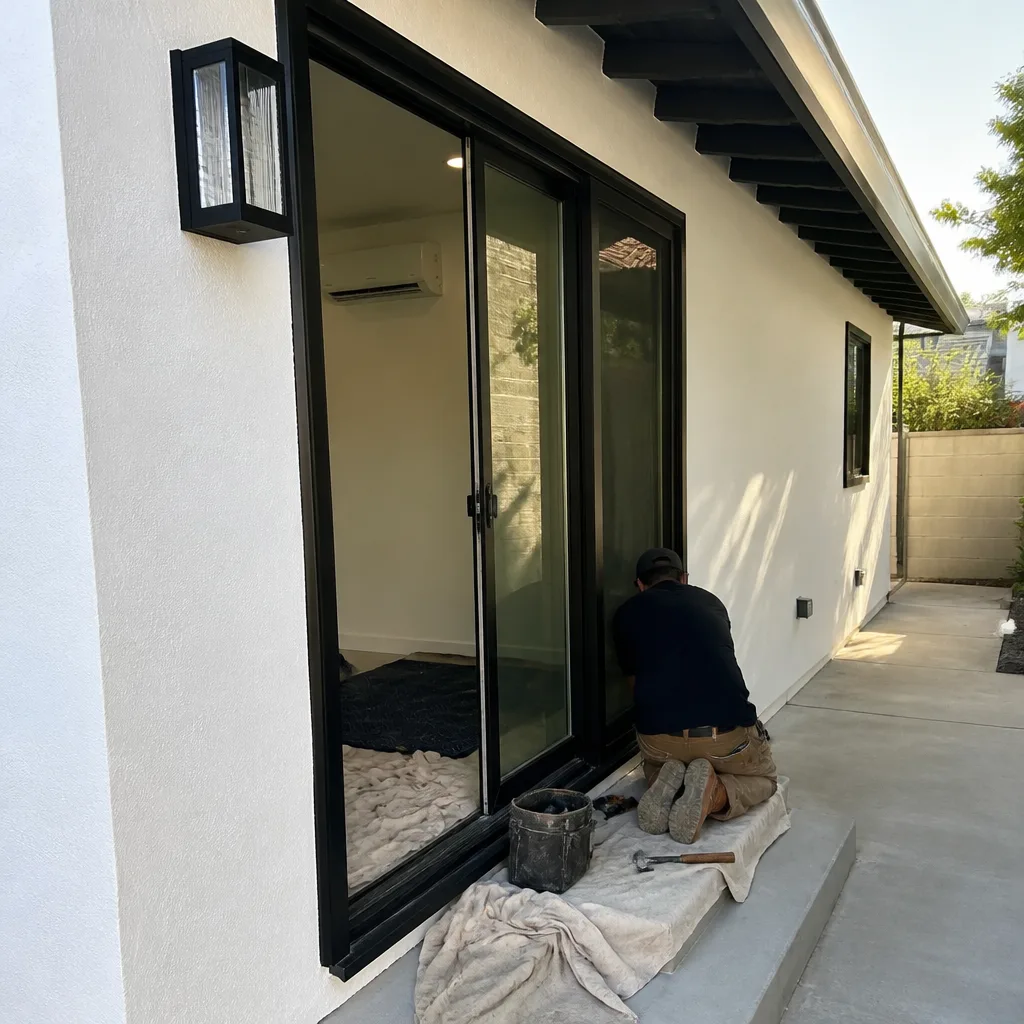 After
AfterWhy the Designer-Builder Gap Destroys Budgets
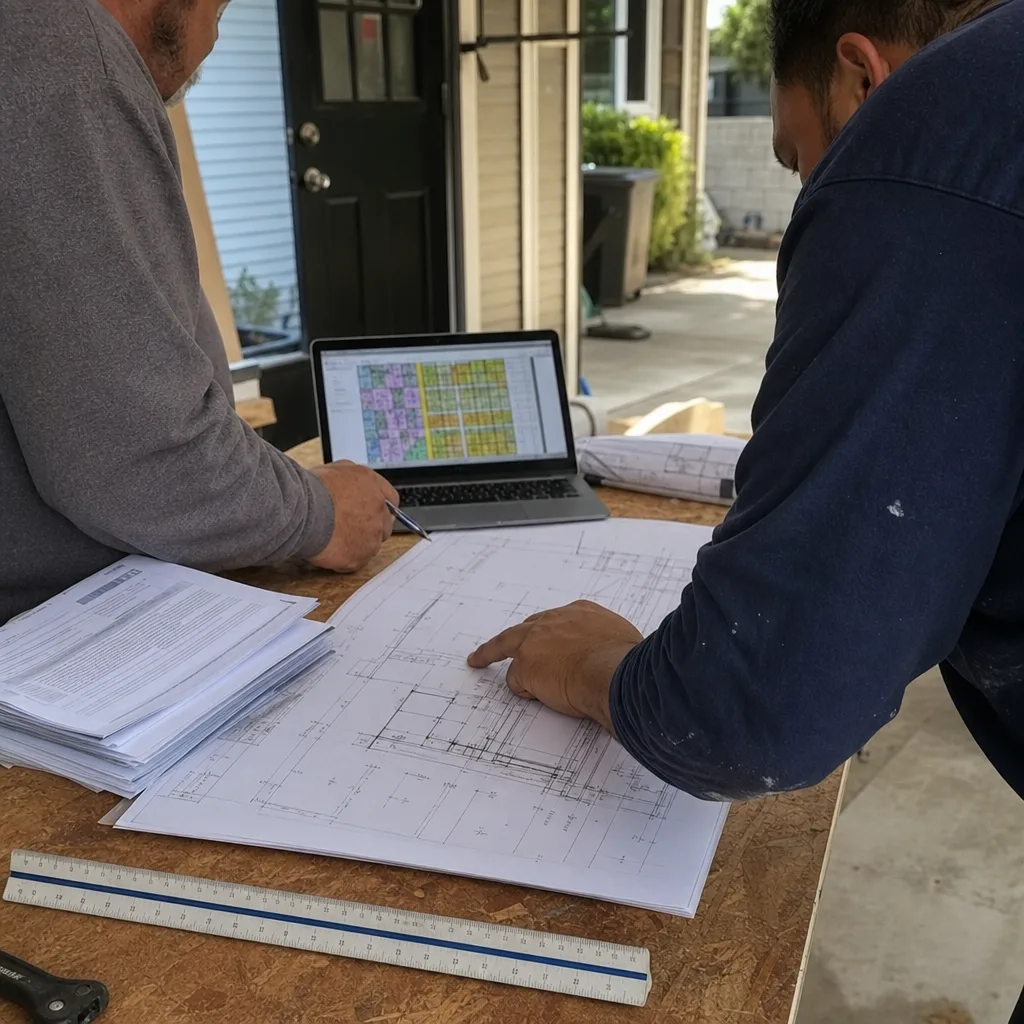
Most ADU projects in Long Beach fail at the handoff. A homeowner hires an architect or designer for $8,000-$15,000, receives a permit set, then solicits bids from contractors. The lowest bidder wins. Six weeks into construction, the framing crew discovers the foundation detail in the drawings doesn’t match the soil conditions, or the electrical panel upgrade wasn’t specified, or the roof tie-in assumes a structural condition that doesn’t exist.
The contractor says: “This wasn’t in my bid. Change order.” The designer says: “The drawings are code-compliant. The contractor should have caught this in his takeoff.” The homeowner pays twice for the same problem.
We’ve seen this in Belmont Shore, where narrow lots mean zero setback tolerance, and in North Long Beach, where older garage slabs lack the depth for conversion without engineered fill. In both cases, the permitted drawings were technically correct. The construction bid simply didn’t account for what the drawings implied. The result: a $12,000 foundation surprise in Belmont Shore, a $22,000 utility trenching overrun in North Long Beach.
The single-contract design-build model closes this gap by making one entity responsible for both the permit set and the finished structure. If the drawing doesn’t match the field condition, there’s no one to blame but the party who wrote both. That’s the structure we use at Ellery ADU Studio Long Beach, and it’s why our ADU Design & Permitting in Long Beach service includes construction pricing before the first wall is drawn.
Key takeaway: The cost of a design-build contract isn’t higher. The cost of a design-then-build mistake is.
The CSLB License Check You Can Do in Three Minutes
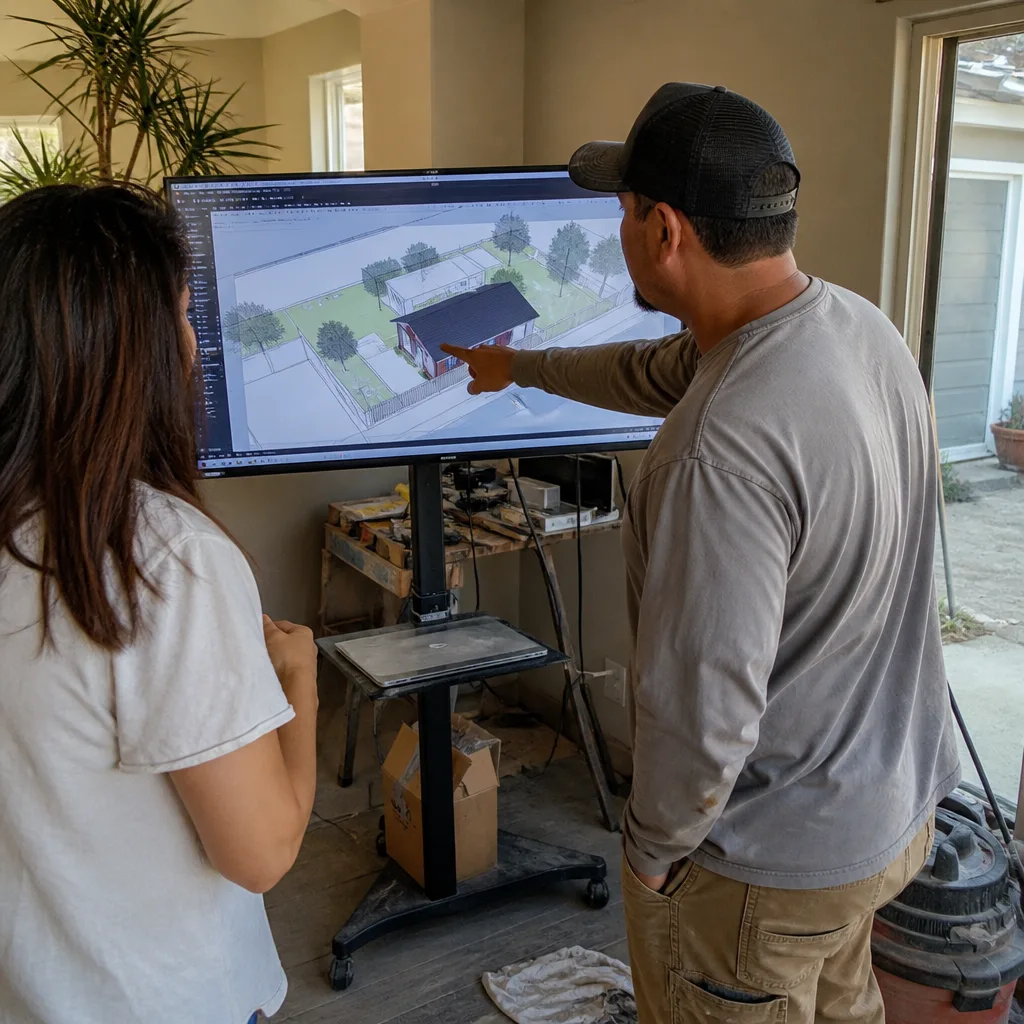
Every ADU contractor in California must hold a valid CSLB license. For most ADU work, that’s a B-General Building license. Here’s the three-minute verification process:
- Go to cslb.ca.gov and click “Check a License.”
- Enter the business name or license number.
- Confirm three things: the status reads “Active,” the classification includes “B-General Building,” and the workers’ compensation coverage shows “Exempt” only if the licensee has no employees (rare for ADU-scale work).
When does a B license not suffice? When the project triggers C-class specialty work that the general contractor doesn’t self-perform. Common C-class licenses in Long Beach ADUs:
- C-10 Electrical: Required for panel upgrades, submetering, and any new service over 200 amps. Many garage conversions in Long Beach’s older neighborhoods need this.
- C-36 Plumbing: Required for sewer lateral replacements, which the Long Beach Water Department often mandates when adding a second dwelling unit.
- C-20 Warm-Air Heating: Required if your ADU includes its own HVAC system rather than extending the main house.
- C-16 Fire Protection: Required for sprinkler systems in certain multi-unit or high-density configurations.
A B-General contractor can subcontract this work, but the license check should confirm the B holder has active relationships with verified C-class subcontractors. Ask for the subcontractor license numbers and verify them independently. Any hesitation here is a signal.
Red flag: A contractor who says “we handle everything in-house” but cannot produce active C-10 or C-36 license numbers for the electrical and plumbing scope. In Long Beach, where the Building and Safety Bureau enforces Title 24 energy code strictly, unlicensed electrical or plumbing work will fail inspection and delay your certificate of occupancy.
Five Questions to Ask Before You Sign
These questions expose structural weaknesses in how a firm manages ADU projects. Ask them in writing. The quality of the written response predicts the quality of the project management.
1. Who stamps the structural drawings?
The answer should name a California-licensed structural engineer (SE) or civil engineer (CE) with an active license. “Our architect handles it” is insufficient for ADU structural work in seismic zone 4. “We use an engineer” without a name and license number is a placeholder. At Ellery ADU Studio, every structural set is stamped by a licensed SE, and that stamp number appears in the permit application.
2. What triggers a change order under your contract?
The answer should be specific: unforeseen site conditions (with a definition), owner-requested scope changes, or code amendments enacted after permit issuance. “Anything outside the original scope” is too vague. Under Haven Standard Clause 5 (No Surprises), our scope locks at signing. Field conditions visible during the initial site measure are our responsibility, not yours.
3. What does your permit set include?
A complete Long Beach ADU permit set includes: site plan, floor plans, elevations, structural calculations, Title 24 energy compliance documentation, and Green Building Standards Code checklist. Missing any of these means a rejected plan check and 4-8 weeks of delay. Ask to see a sample permit set from a completed project. Our ADU Design & Permitting Maintenance Checklist for Long Beach Homeowners covers every required document in detail.
4. How do you handle utility service upgrades?
Long Beach’s older neighborhoods, particularly in Belmont Heights and California Heights, often have 100-amp main services that cannot support an ADU. The contractor’s answer should include a specific process: load calculation, Southern California Edison coordination timeline, and cost allocation. “We’ll figure it out during construction” means a change order.
5. What documentation do I receive at project closeout?
The answer should list: final permit (Certificate of Occupancy), as-built drawings, photo documentation of concealed conditions (framing, plumbing, electrical before close-in), and warranty documents. At Ellery ADU Studio, every client receives a documented photo record on every visit, plus a 365-Day Done Right Promise backed in writing. No documentation means no proof if a defect emerges.
How to Read a Long Beach ADU Bid for Completeness
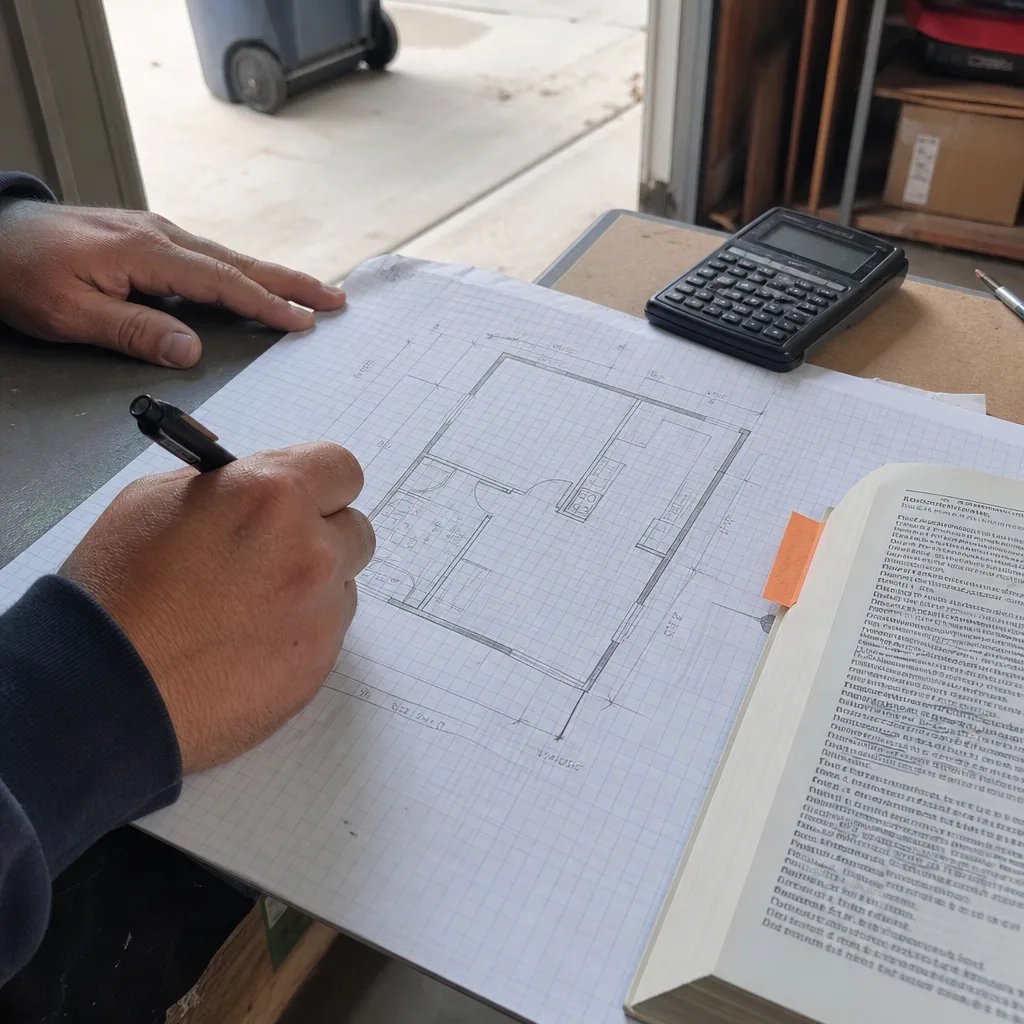
An incomplete bid isn’t a low bid. It’s a deferred surprise. Here’s how to read for what’s missing.
Line items that must appear:
- Permit fees: Long Beach charges plan check fees, building permit fees, and impact fees that vary by ADU type. Absence means the contractor either doesn’t know or plans to bill you separately later.
- Utility connection/sewer lateral: In Long Beach, the Long Beach Water Department requires separate sewer connection permits. Missing this line item is common and expensive.
- Foundation work: Even garage conversions on existing slabs need verification. “Use existing slab” without an engineering note assumes conditions that may not exist.
- Title 24 energy compliance: Required for all California ADUs. The bid should specify prescriptive or performance compliance path, not just “energy code included.”
- Demolition/disposal: Garage conversions generate debris. New detached ADUs require site clearing. Missing this line item signals a superficial takeoff.
- Contingency: A 5-10% contingency for unforeseen conditions is standard. A bid with 0% contingency is either padded elsewhere or unprepared for reality.
What absence signals:
No permit-fee line item: The contractor hasn’t priced Long Beach’s current fee schedule, or plans to pass through actual costs without a cap. No utility line item: They haven’t verified service capacity and expect a mid-project discovery. No contingency: They’re either inexperienced or planning change orders for every deviation.
At Garage Conversion ADU in Long Beach, we publish typical ranges: garage conversion ADUs in Long Beach typically run $95,000-$145,000 all-in, drawings through final inspection, with every line item named before signing. That’s Haven Standard Clause 1: written price before any work starts.
Red Flags in ADU Contract Language
Contract language reveals who bears risk when things go wrong. These clauses should trigger immediate scrutiny.
“Allowances” without specifications: An “allowance” is a placeholder price for an undetermined item. A $4,000 “tile allowance” without square footage, grade, or installation spec means you’ll pay the difference when your actual selection costs $7,500. Every material should be specified or priced with a selection range.
Unsigned scope-of-work exhibits: If the contract references “Exhibit A: Scope of Work” but that exhibit isn’t attached, dated, and signed, it isn’t binding. The contractor can claim the scope was oral or implied. Never sign a contract with a missing or unsigned exhibit.
“Contractor shall obtain all necessary permits”: This language is standard and correct. But verify it includes plan check revisions. Some contractors obtain the initial permit, then bill hourly for revision rounds when the city requests changes. In Long Beach, the Building and Safety Bureau’s plan check typically requires 1-2 revision cycles. The contract should specify who pays for these.
Vague payment terms: “Progress payments as work is completed” is unenforceable. Payment milestones should tie to inspectable completion: foundation complete, framing complete, rough inspections passed, final inspection. Each milestone should have a percentage and a verification method.
No warranty language: California requires a one-year implied warranty on residential construction. But implied warranties require litigation to enforce. A written warranty, with specific coverage and a named response process, is what protects you. Our 365-Day Done Right Promise is exactly that: if the finished ADU is not built to the permitted drawings, we make it right, in writing, before the project starts.
Prefab, Modular, and Stick-Built: Choosing the Right Path
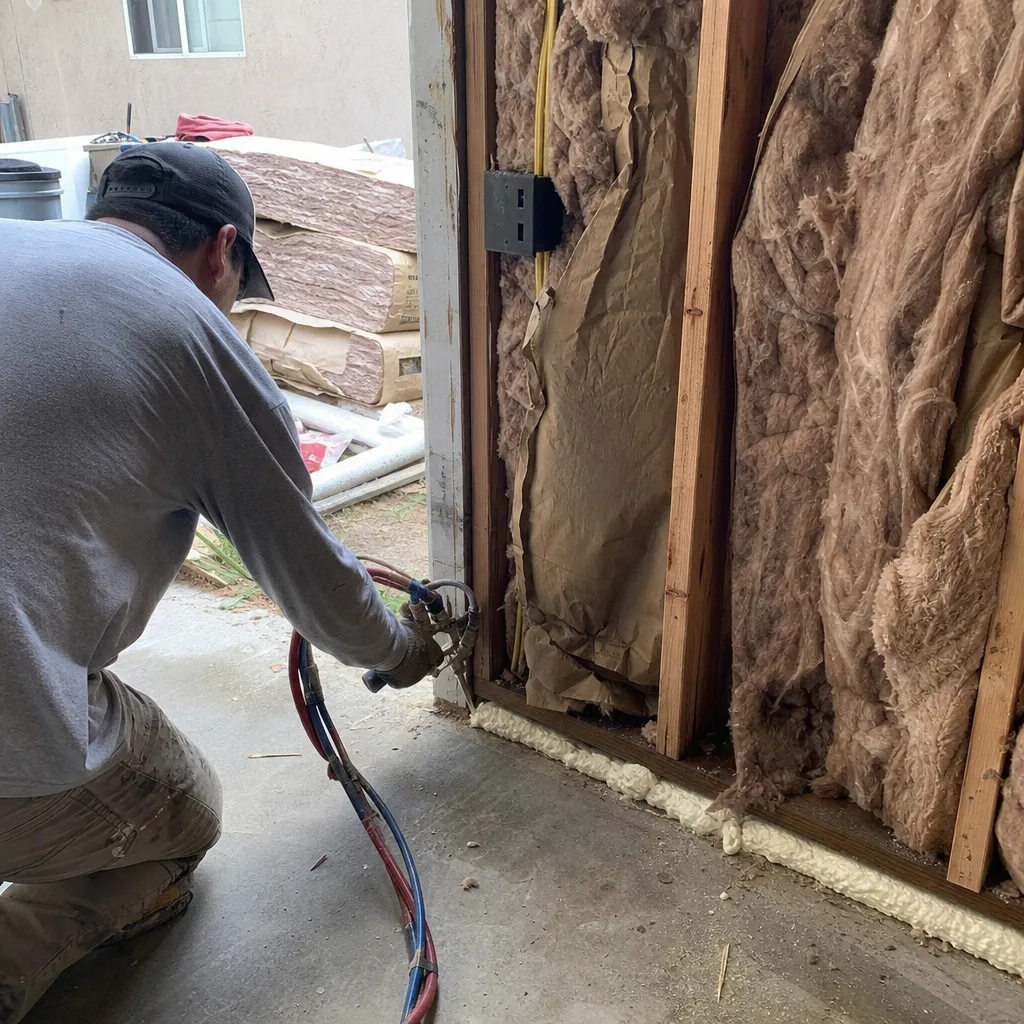
Long Beach homeowners increasingly ask about prefab and modular ADUs. The question isn’t whether these systems work. It’s whether your contractor can specify, coordinate, and warrant them under a single contract.
Stick-built: Traditional site construction. Maximum design flexibility. Longest timeline (8-14 months in Long Beach). Best for complex sites, custom layouts, or integration with existing structures. See our ADU Cost Breakdown: The Long Beach Homeowner’s Reference for 2026 for line-item pricing on both approaches.
Prefab/modular: Factory-built units delivered and set on foundation. Shorter construction timeline (4-8 months), but design flexibility is constrained by module dimensions and transport limits. Long Beach’s narrow streets in Belmont Shore and Bluff Park can complicate crane access and module delivery.
Brands we specify and coordinate: Abodu for compact backyard units with rapid permitting; Cover for tech-integrated systems with precise dimensional control; Dvele for high-performance envelopes that exceed Title 24; Mighty Buildings for 3D-printed panels that reduce on-site labor. Each requires different foundation specs, utility connections, and crane logistics. A contractor who “can work with any brand” but hasn’t specified one in writing is guessing.
The critical question: Who warrants the integration between factory build and site work? Factory warranties cover defects in the module. They don’t cover foundation settlement, utility connection failures, or finish mismatches where module meets site-built elements. A single-contract design-build firm warrants the integration because they designed it.
For New Detached ADU in Long Beach, we evaluate prefab feasibility during the site measure: access route, crane pad location, and utility tie-in points. If prefab doesn’t fit, we say so before you pay for drawings.
Long Beach Specific Permits, Zoning, and Utility Constraints
Long Beach’s ADU regulations follow California state law but add local conditions that affect contractor selection.
Coastal zone overlay: Properties west of Ocean Boulevard or in the Bluff Park area may require California Coastal Commission review, adding 30-90 days. A contractor unfamiliar with coastal development permits will miss this in scheduling and pricing. Our Seasonal ADU Care for Long Beach: Year-Round Homeowner’s Guide includes maintenance timing around coastal weather patterns.
Historic district review: Properties in Belmont Heights Historic District or other designated zones require Historic Preservation Commission approval for exterior alterations. This applies even to rear-yard ADUs visible from the street.
Utility capacity: Long Beach Water Department sewer laterals in pre-1960 neighborhoods are often 4-inch clay or Orangeburg pipe. Adding a second dwelling unit typically requires replacement with 6-inch PVC to modern standard. This isn’t optional, and it isn’t cheap ($8,000-$18,000 depending on street-to-house distance).
Setback enforcement: Long Beach enforces side and rear setbacks strictly, even where state law permits ministerial approval. A contractor who eyeballs setbacks rather than ordering a boundary survey risks an encroachment that halts construction.
Fire separation: Attached ADUs and garage conversions in Long Beach require one-hour fire-rated assemblies between units. This affects wall assembly, door specification, and penetration sealing. Missing this in the bid means a failed inspection and rebuilt wall.
These constraints aren’t obstacles. They’re filters. A contractor who names them in the first meeting has done this before. One who doesn’t will discover them on your dime.
Structuring Payment Milestones That Protect You
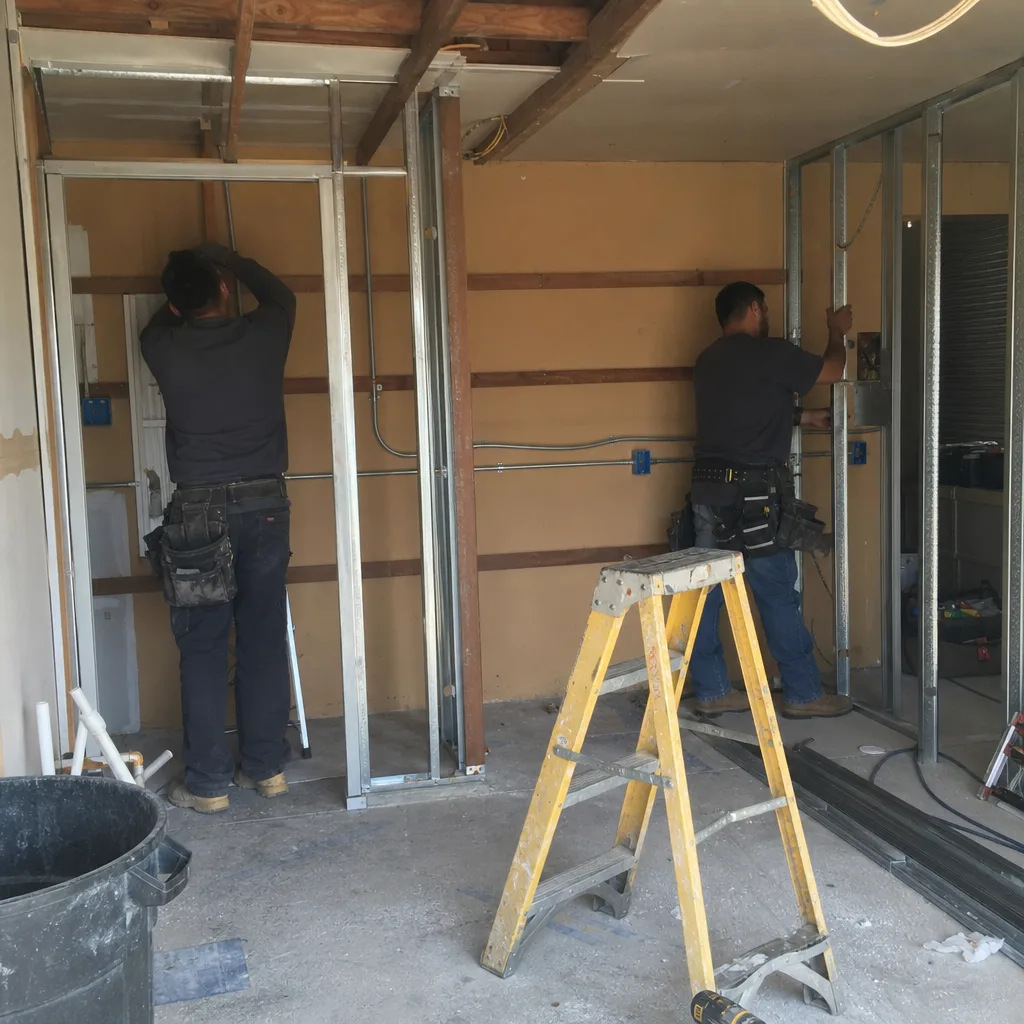
Payment structure is risk structure. The wrong schedule leaves you with incomplete work and no leverage. The right schedule aligns contractor incentive with project completion.
Never pay more than 10% or $1,000 upfront (whichever is less), per California Business and Professions Code Section 7159. This is the legal maximum for home improvement contracts.
Recommended milestone structure for Long Beach ADUs:
- Contract signing: 10% deposit. Triggers permit application and design finalization.
- Permit issuance: 15%. Verifies plan check completion, not just submission.
- Foundation complete, inspected: 20%. Inspectable, photographed, signed off by city.
- Framing complete, rough inspections passed: 25%. Electrical, plumbing, mechanical rough-in signed off.
- Drywall/finish inspections passed: 20%. Concealed work is complete and verified.
- Final inspection, Certificate of Occupancy issued: 10%. Holdback ensures punch list completion.
Each milestone should require your verification, not just the contractor’s say-so. At Ellery ADU Studio, clients receive the documented photo record at each milestone, plus city inspection sign-offs, before the next invoice is due. Under Haven Standard Clause 3 (Verify Before Pay), you see the work, then you pay for it.
Red flag: A contractor who requests 25% or more upfront, or who structures payments by calendar date rather than inspectable completion. “Month two payment due” without a completion standard is a loan to the contractor, not a project milestone.
Common Mistakes to Avoid
- Hiring the designer and contractor separately without a coordination agreement. The gap between drawings and bid is where $15,000-$40,000 surprises live. If you must hire separately, require the contractor to review and approve the permit set before finalizing their bid.
- Accepting a bid without a permit-fee line item. In Long Beach, permit fees for a detached ADU can exceed $8,000. A bid that omits this is either incomplete or planning a surprise add-on.
- Skipping the CSLB license verification. A suspended license voids your legal protections. Check it yourself at cslb.ca.gov, even if the contractor shows you a card.
- Choosing prefab without verifying site access. Long Beach’s alleyways in Belmont Shore and narrow streets in Bluff Heights can’t accommodate standard module delivery. A site measure for crane access and truck turning radius should precede any prefab commitment.
- Signing a contract with undefined “allowances.” Every material and finish should be specified or priced with a bounded selection range. Open allowances are blank checks.
- Ignoring utility capacity until construction starts. Panel upgrades and sewer lateral replacements are common in Long Beach’s older housing stock. Verify these in the design phase, not when the electrician says “we can’t power this.”
- Paying ahead of verified completion. California law protects you with the 10% cap, but many homeowners waive this protection under pressure. Don’t.
When to Call a Professional
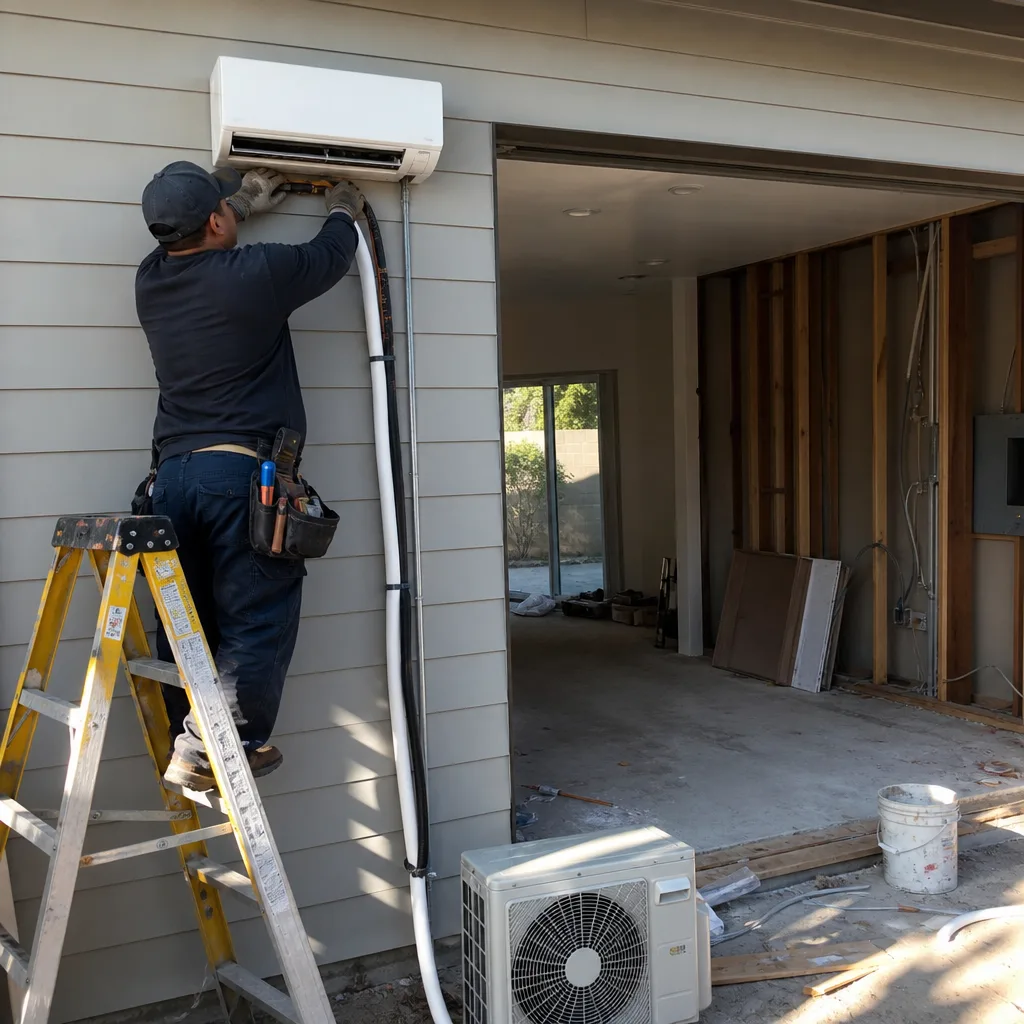
Call a professional when you’ve confirmed your property qualifies for an ADU under Long Beach zoning but need certainty on feasibility, timeline, and all-in cost. Specific triggers: you’ve received conflicting bids that don’t line up in scope, you’re considering prefab and need site access verification, or you have a written estimate from another firm and want a second opinion on completeness.
Ellery ADU Studio Long Beach offers free estimates in Long Beach - call (562) 414-4842. We also provide a Free Second Opinion on any written estimate already in hand, with specific notes on what’s missing, what’s inflated, and what questions to ask before you sign.
Frequently Asked Questions
Garage conversion ADUs in Long Beach typically run $95,000-$145,000 all-in, from drawings through final inspection. New detached ADUs typically range $180,000-$320,000 depending on size, foundation type, and utility complexity. Every project at Ellery ADU Studio is quoted with a written price before any work begins, per Haven Standard Clause 1. Call (562) 414-4842 for an exact quote on your property - estimates are free.
A B-General Building license is required for ADU construction. Electrical, plumbing, and HVAC work must be performed by or under a contractor holding the appropriate C-class license (C-10, C-36, C-20). Verify all licenses at cslb.ca.gov before signing.
From permit application to Certificate of Occupancy, expect 8-14 months for stick-built ADUs and 4-8 months for prefab/modular units. Long Beach’s plan check typically takes 6-10 weeks, with 1-2 revision cycles. Coastal zone or historic district properties add 30-90 days.
Under a properly structured contract, the price should not change for conditions visible or knowable at the time of bid. At Ellery ADU Studio, Haven Standard Clause 5 locks the scope at signing. Field conditions identified during our initial site measure are our responsibility, not yours. Call (562) 414-4842 to review how this applies to your project.
Yes. Ellery ADU Studio prepares the full permit set, submits to Long Beach Building and Safety, and manages plan check revisions through issuance. The permit set is our core product, not an afterthought, and has been on every one of our 900+ projects since 2015.
A design-build firm holds single-contract responsibility for both the permit set and the finished structure. If the drawing doesn’t match the field condition, there’s no designer-versus-builder dispute. Hiring separately creates a blame gap that homeowners pay to close. In our experience across Long Beach, that gap averages $15,000-$40,000 when it opens.
The Bottom Line
Hiring an ADU contractor in Long Beach is not about finding the lowest bid. It’s about eliminating the structural gaps where projects fail: the designer-builder handoff, the incomplete permit set, the vague contract, the payment schedule that favors the contractor over completion. Verify licenses yourself. Read bids for missing line items. Ask who stamps the drawings and who pays when they don’t match reality. Structure payments to inspectable milestones, not calendar dates. The right hire is the one who names the risks before you do, documents every step, and puts the correction promise in writing.
Written by Nadia Ellery, Owner at Ellery ADU Studio Long Beach, serving Long Beach since 2015.