
Last updated September 25, 2026
ADU Design & Permitting Maintenance Checklist for Long Beach Homeowners
Homeowners who sell a Long Beach property with an unpermitted or partially-permitted ADU are now routinely flagged in title searches - and the cost to retroactively permit or demolish averages more than the original construction savings. Since 2015, we’ve seen this scenario play out in Belmont Heights, Bixby Knolls, and across the 908 zip codes: a seller discovers their ADU lacks a certificate of occupancy, the buyer’s lender freezes the deal, and the owner pays $40,000-$80,000 to bring a five-year-old structure into compliance. This guide covers the exact documents to retain, the maintenance checkpoints that protect your warranty, and the folder structure that keeps your permit record alive for refinancing or sale. For more on the risks of unpermitted work, see our ADU Warning Signs: A Long Beach Homeowner’s Reference Guide.
Quick Answer
A complete ADU maintenance record for Long Beach includes four document categories at closeout (stamped permit set, inspection card, certificate of occupancy, utility letters), annual climate-specific checkpoints for coastal moisture and HVAC systems, and a version-controlled update protocol for any post-occupancy modifications. Our ADU Design & Permitting services include this documentation as standard. Lenders in Los Angeles County now require this documentation for ADU-inclusive appraisals, and missing items can trigger re-inspection fees of $1,200-$3,500.
Table of Contents
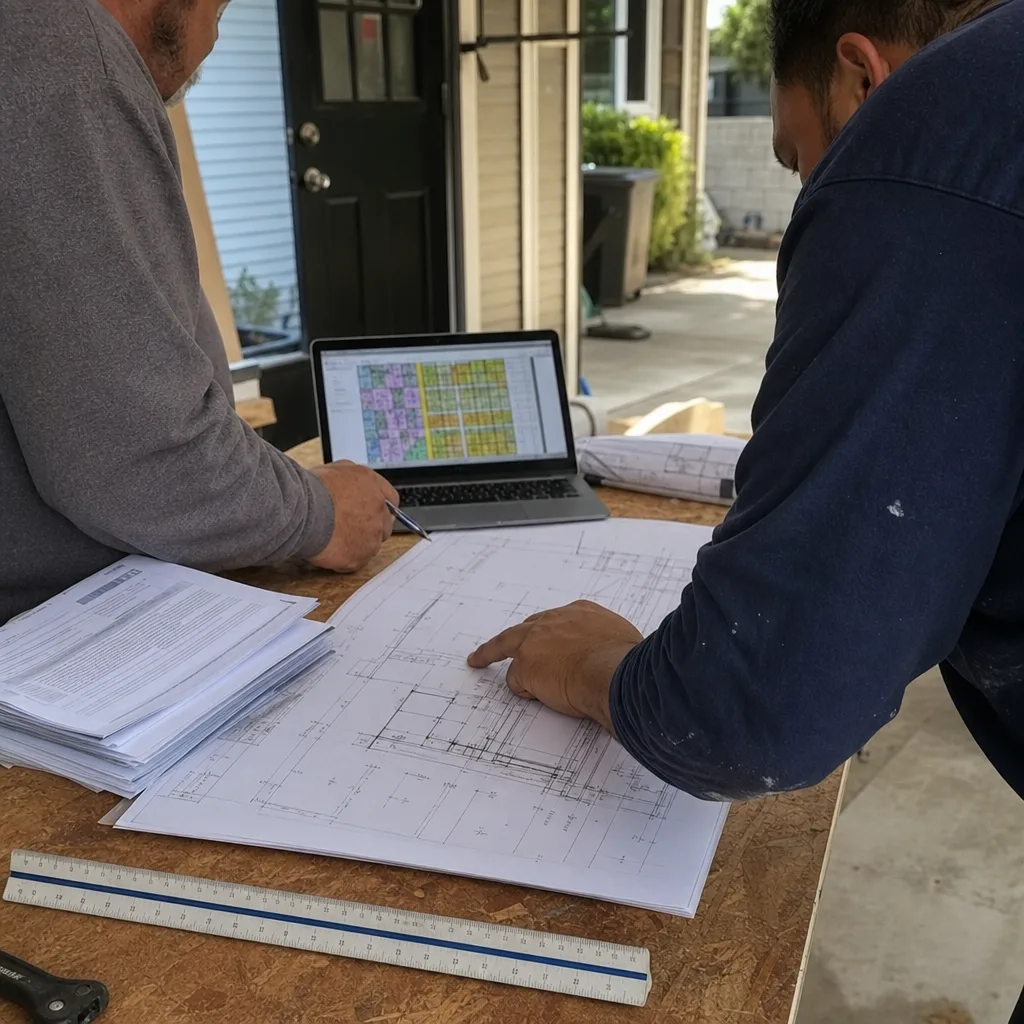
- The Exact Documents at Project Closeout
- Version-Controlled Folder Structure
- Annual Maintenance Checkpoints for Long Beach’s Coastal Climate
- Updating the Permit Record for Post-Occupancy Modifications
- Refinancing and ADU Appraisal Documentation
- Warranty Windows and Documentation Requirements
- Common Mistakes to Avoid
- When to Call a Professional
- Frequently Asked Questions
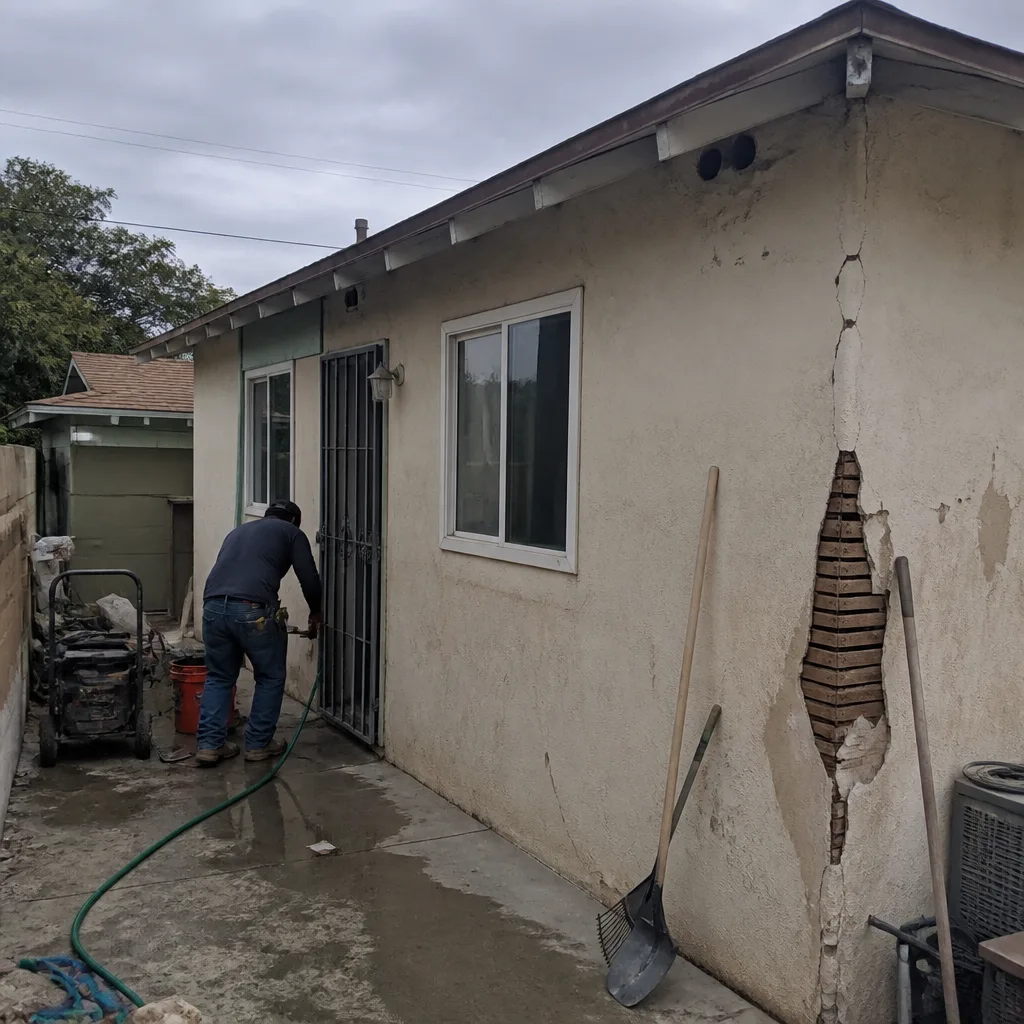 Before
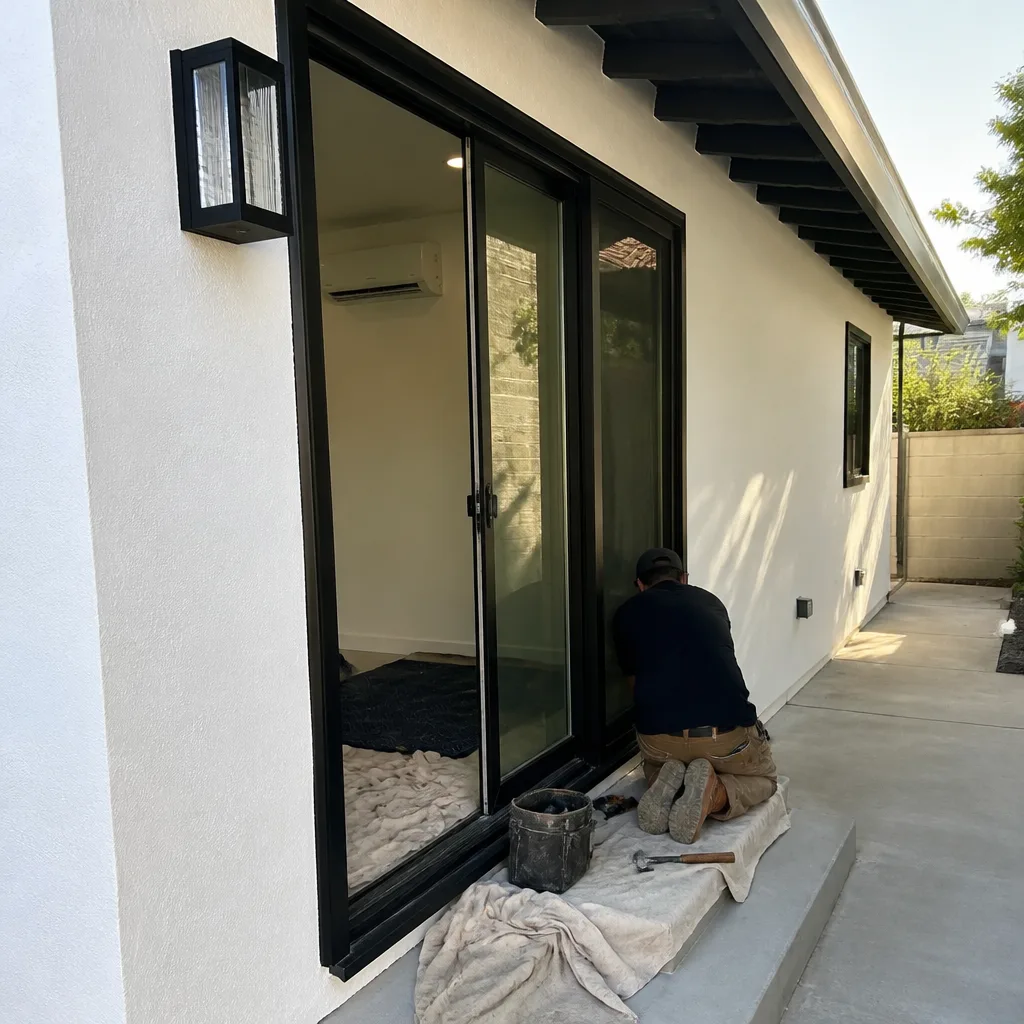 After
AfterThe Exact Documents at Project Closeout
When final inspection passes and the Long Beach Development Services inspector signs off, most homeowners receive a handshake and a certificate of occupancy. That is not enough. The full document set you need in hand - and in your folder - includes four categories that together prove your ADU was designed, permitted, built, and connected to city systems exactly as approved.
1. Stamped permit set. This is the architectural and engineering drawing set that Long Beach plan check approved, bearing the city stamp and plan check number. It shows your floor plan, elevations, structural details, and energy compliance calculations (Title 24). Keep every sheet, even the ones that seem redundant. When you refinance or sell, the appraiser or title company may request specific pages to verify square footage, ceiling height, or egress window placement. We deliver this as a bound set and a searchable PDF under Haven Standard documentation protocols.
2. Inspection card or record. Long Beach uses an inspection card - physical or digital - that tracks every required inspection: foundation, framing, insulation, drywall, electrical, plumbing, mechanical, and final. Each box should be signed or stamped by the inspector who was on-site. Gaps in this card are the first thing a retroactive permit reviewer looks for. If your builder used a private provider for some inspections, you’ll need their sign-off letters too.
3. Certificate of Occupancy (CO). The CO is the city’s formal statement that your ADU is safe to occupy. In Long Beach, this is issued by Development Services after final inspection and payment of any outstanding fees. Without it, your ADU is legally uninhabitable - even if someone is living there. Lenders treat a missing CO as a material defect.
4. Utility connection letters. Separate from the CO, you need written confirmation from Southern California Gas, Southern California Edison, and Long Beach Water Department that your ADU is properly metered or sub-metered and that service was activated per the approved plans. These letters matter because unpermitted utility work - a second gas line tapped off the main, a water heater installed without proper seismic strapping - is common in owner-managed projects and creates liability that outlasts the builder.
Under Haven Standard Clause 3 (Documented Closeout), we compile these four categories into a labeled, indexed binder and a mirrored digital folder before we consider a project complete. The photo record - every inspection point, every material delivery, every test - is included on a separate drive. Clients receive evidence of what was found and what was done, not a summary of how it felt.
Version-Controlled Folder Structure
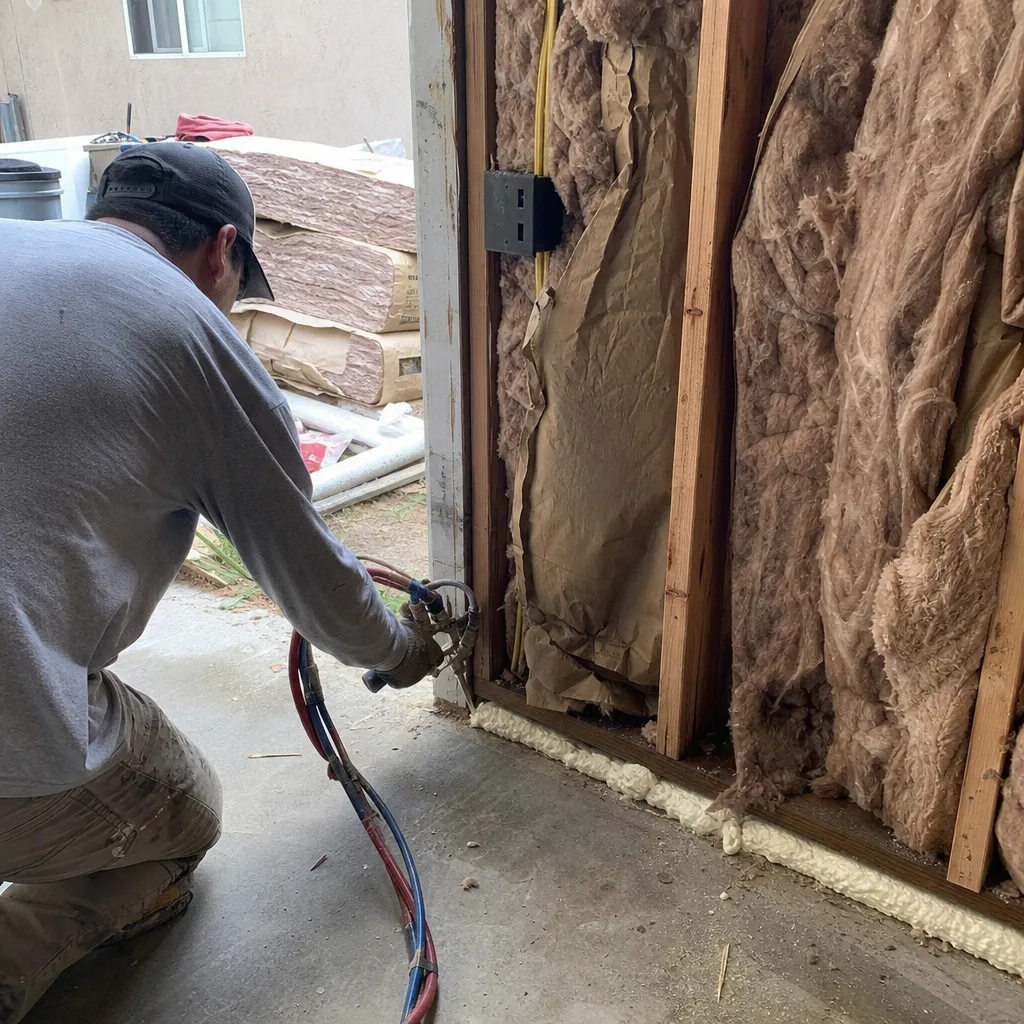
A permit record that sits in a drawer degrades. Paper fades, USB drives fail, and homeowners forget which file is current. The folder structure we recommend - and use internally - treats your ADU documentation as a living record with version control, the same way a design-build studio manages construction documents.
Start with a master folder named by project: ADU_123MainSt_LongBeach_2024. Inside, five subfolders:
- 01_Permit_Set_Approved - The stamped drawings, unaltered. Never overwrite these with revised versions. If you modify the ADU later, create a new subfolder.
- 02_Inspection_Record - Scan or photograph every inspection card, email confirmation, and correction notice. Name files by date and inspection type: 2024-03-15_Framing_Inspection_Passed.pdf.
- 03_Certificate_of_Occupancy_and_Utility_Letters - CO, gas activation letter, electric meter letter, water service confirmation. These are your legal proof of compliance.
- 04_Warranty_and_Manuals - Manufacturer warranties for windows, doors, HVAC, water heater, appliances. Include installation dates and contractor contact information.
- 05_Modifications_and_Updates - Empty at closeout. This is where post-occupancy changes live, with dated subfolders for each modification.
Back this structure up in three places: local hard drive, cloud storage with file history (Google Drive, Dropbox, or equivalent), and a physical binder with the most critical documents - CO, permit set, utility letters - in sheet protectors. The digital copy is for access; the physical copy is for emergencies when systems are down or accounts are locked.
When we hand off a project, the Haven Standard documentation clause requires this structure to be complete and labeled. Our clients in Long Beach’s coastal zones - Naples, Belmont Shore, the Peninsula - particularly need this discipline because salt air accelerates material degradation, and warranty claims without dated installation records are often denied.
Annual Maintenance Checkpoints for Long Beach’s Coastal Climate
Long Beach sits at the intersection of marine layer moisture, salt air, and periodic Santa Ana heat. These conditions stress ADU materials differently than inland climates. The maintenance checklist below is specific to this environment and tied to the warranty windows that protect your investment.
Quarterly: Exterior coating and seal inspection. Check for chalking, cracking, or peeling on all exterior surfaces, especially south- and west-facing walls that take the most sun. For James Hardie fiber-cement siding - a material we specify frequently for its salt-air resistance - look for joint gaps where caulk has shrunk. Re-caulk with manufacturer-recommended sealant before the rainy season. Paint failure in the first five years often indicates inadequate prep at installation; document it with photos for warranty submission.
Quarterly: Moisture intrusion points. Inspect window weep holes (the small drainage channels at the bottom of vinyl or aluminum frames) for blockage by salt residue or paint. Check door thresholds and sliding door tracks for standing water after marine layer mornings. In ground-floor ADUs or garage conversions - common in Alamitos Heights and California Heights - verify that the slab perimeter shows no darkening or efflorescence, the white powder that signals moisture migration through concrete.
Bi-annual: HVAC filter and coil service. The marine layer keeps humidity elevated from May through October, which strains cooling systems and encourages mold in ductwork. Replace filters every three months minimum; clean evaporator coils annually. If your ADU uses a mini-split system - standard in most Garage Conversion ADU in Long Beach projects - the condensate drain line can clog with algae in this climate. A backed-up drain floods the unit and voids the compressor warranty if water damage is traced to maintenance neglect.
Annual: Roof and drainage. For detached ADUs, clear gutters and downspouts of jacaranda blossoms, palm fronds, and wind-blown debris that accumulate in Long Beach’s spring and fall. Verify that downspouts discharge at least five feet from the foundation, per the original grading plan. For flat or low-slope roofs - typical on modern detached units from New Detached ADU in Long Beach designs - inspect the membrane for ponding water after rain. Standing water beyond 48 hours indicates inadequate slope or a clogged drain, and most membrane warranties require prompt correction.
Annual: Plumbing fixtures and water heater. Exercise all shutoff valves - they seize in the salt air. Drain and flush the water heater to remove sediment that accelerates tank corrosion. For tankless units, run the manufacturer-recommended descaling cycle; Long Beach’s water hardness runs 120-180 ppm, enough to scale heat exchangers within two years without maintenance.
Document each checkpoint with a dated photo and brief note. This creates the maintenance record that warranty providers and insurers request when claims arise. Under Haven Standard Clause 7 (Ongoing Documentation), we provide a template log at closeout; clients who use it have faster claim resolution and fewer disputes.
Updating the Permit Record for Post-Occupancy Modifications
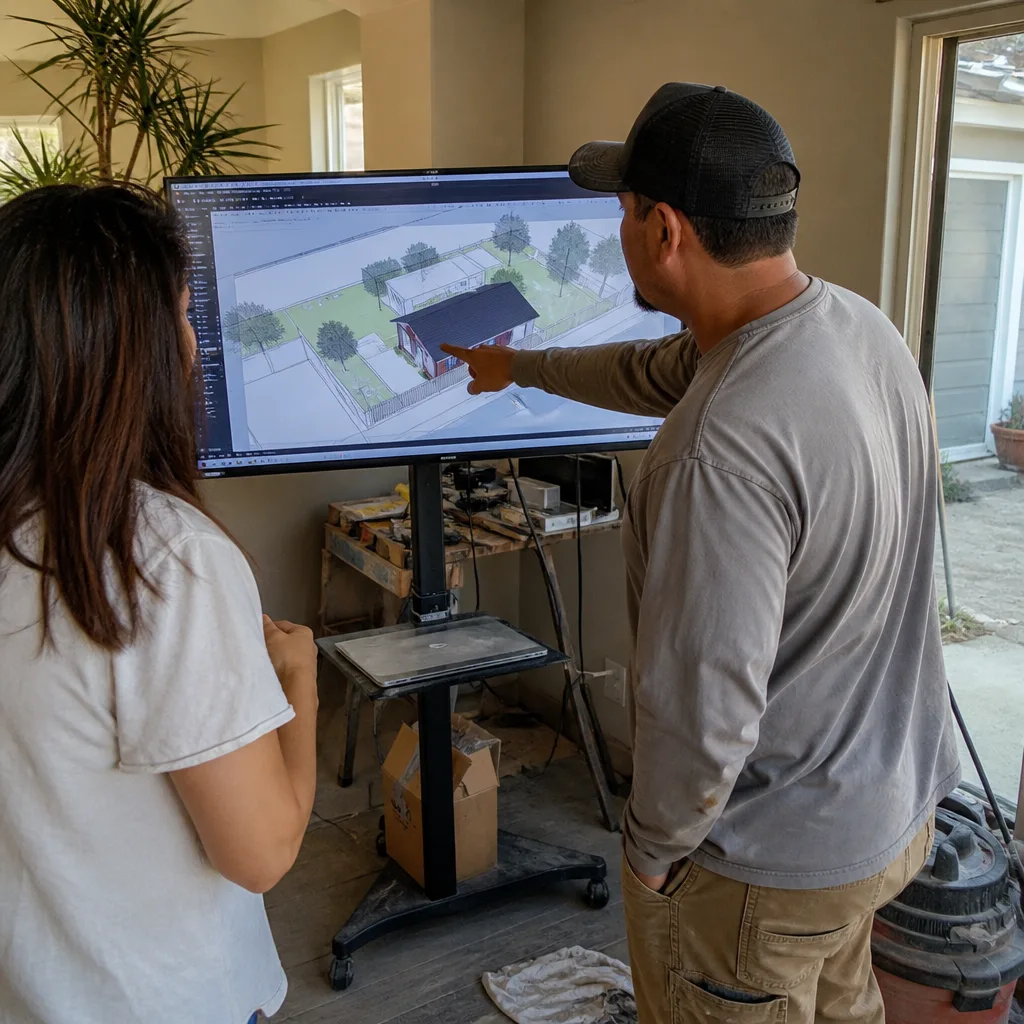
Homeowners modify ADUs. They add solar, upgrade the kitchen, convert a storage nook to a bathroom, or enclose a patio. In Long Beach, not all modifications require a new permit - but the ones that do, and the distinction between them, trips up owners at sale time.
Modifications that typically do NOT require a new permit:
- Interior paint, flooring, or cabinet replacement without plumbing or electrical relocation
- Appliance swap of like-for-like capacity (gas range for gas range, not electric)
- Window replacement within the same rough opening, maintaining egress dimensions
- Landscaping or hardscaping not attached to the ADU structure
Modifications that DO require a new permit and plan check:
- Any structural change: removing or adding walls, modifying ceiling height, changing roofline
- Electrical panel upgrade or new circuits beyond the original load calculation
- Plumbing fixture addition or relocation, including adding a bathroom or laundry
- HVAC system change: adding cooling where none existed, upsizing furnace or heat pump
- Exterior door or window enlargement that reduces structural shear wall capacity
- Solar panel installation on the ADU roof (requires structural review and electrical permit)
The process in Long Beach starts with a consultation at Development Services, 411 West Ocean Boulevard. Bring your original stamped permit set. Staff will flag whether the modification triggers a full plan check or qualifies for over-the-counter review. Simple electrical or plumbing permits often clear in two weeks; structural changes restart the full timeline, currently 8-12 weeks for residential projects.
Critical point: the new permit must reference the original permit number. This links the modification to the approved record, creating a chain of compliance that title companies can follow. We handle this cross-referencing as standard practice when ADU Design & Permitting in Long Beach modifications come through our office. Homeowners who permit modifications independently should verify that the new inspection card notes the original permit number in the “related permits” field.
Update your version-controlled folder immediately upon permit issuance. Create a new dated subfolder under 05_Modifications_and_Updates with the new permit set, inspection record, and final sign-offs. Never merge modified drawings with the original approved set; keep them separate to prevent confusion at sale or refinance.
Refinancing and ADU Appraisal Documentation
Since 2022, lenders in Los Angeles County have tightened ADU documentation requirements. Fannie Mae and Freddie Mac guidelines now require explicit verification that an ADU is legal, permitted, and separately metered or properly sub-metered before its rental income can count toward debt-to-income ratios. Appraisers working for these lenders follow specific protocols that homeowners can anticipate and prepare for.
The appraisal documentation package should include:
- Stamped permit set showing ADU square footage, bedroom/bathroom count, and compliance with current code at time of construction
- Certificate of Occupancy with issue date matching the permit final inspection date
- Current lease agreement (if rented) and two years of rent history, or comparable rental data for the Long Beach submarket
- Utility connection letters proving independent or sub-metered service
- Property tax record showing the ADU is assessed as permitted square footage
The last item surprises many homeowners. Los Angeles County Assessor records sometimes lag permit completion by 18-24 months. An ADU built in 2021 may still show as unimproved on the 2024 tax roll, which creates appraisal confusion. Request a supplemental assessment from the Assessor’s office if your ADU does not appear; the recorded document from that process becomes part of your financing package.
Rental income qualification varies by lender. Some require 12 months of documented rental history; others accept market rent from a licensed appraiser. The key is having your permit documentation complete before you apply, because lenders will not hold a rate lock while you scramble for a three-year-old inspection card.
We’ve assisted Long Beach clients in Belmont Heights and the Plaza with refinancing packages where the original builder had dissolved or left no records. In those cases, we provide a Free Second Opinion on the existing structure - we assess what can be documented, what requires re-inspection, and what the cost would be to reconstruct a compliant record. The fee for city re-inspection of a completed ADU runs $1,200-$3,500 depending on scope, and that’s before any corrections.
Warranty Windows and Documentation Requirements
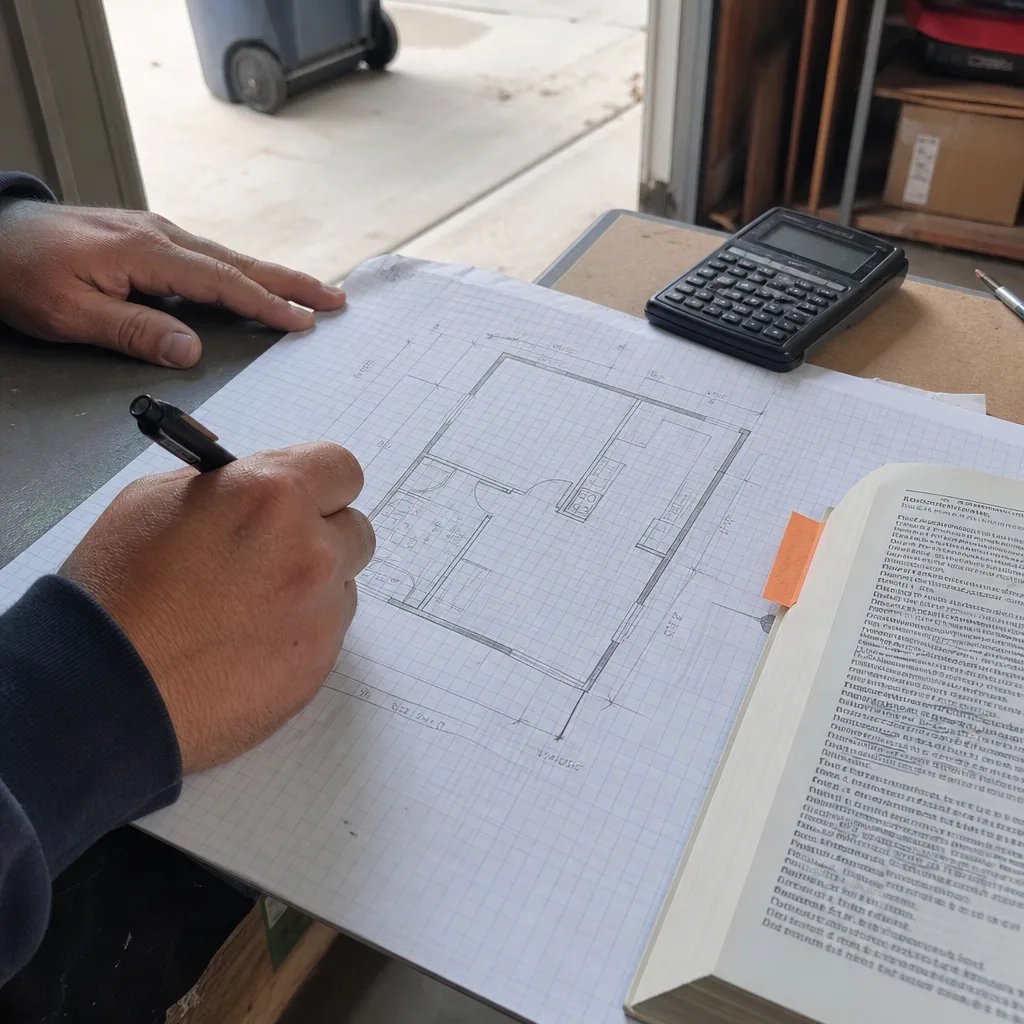
ADU warranties in California operate on multiple timelines: statutory, manufacturer, and builder. Understanding which window applies to which component, and what documentation each requires, prevents the common scenario where a homeowner discovers a defect one month after the relevant window closes.
California statutory warranty (Civil Code § 896): 10 years for structural defects, 4 years for plumbing, electrical, and HVAC systems, 1 year for fit and finish. These apply to new construction and substantial remodels, including ADUs. The clock starts at final inspection and certificate of occupancy issuance, not project start or move-in date.
Manufacturer warranties: Varies by product. James Hardie siding carries a 30-year non-prorated product warranty, but installation must follow their published guidelines - including approved fasteners, joint gaps, and paint systems - or the warranty voids. Tank water heaters typically carry 6-12 year tank warranties; tankless units run 12-15 years on the heat exchanger. HVAC compressors range 5-10 years. Each requires registration, often within 60 days of installation, and proof of annual maintenance for claims beyond year one.
Builder workmanship warranty: Our 365-Day Done Right Promise covers any condition where the finished ADU is not built to the permitted drawings. This is narrower than a blanket guarantee; it specifically ties workmanship to the approved plan set. If the as-built condition matches the drawings but the drawings contained an error, that’s a design issue covered under our professional liability, not the workmanship promise. We separate these categories precisely because blurring them creates the designer-versus-builder blame gap that derails most ADU projects.
To preserve all warranty rights, maintain:
- Dated photos of the defect, with scale reference (ruler or coin in frame)
- Copy of the original installation invoice or delivery receipt
- Maintenance log showing required service was performed
- Written notice to the warranty provider within the required timeframe, sent by certified mail or email with read receipt
For coastal Long Beach ADUs, document salt-air exposure specifically. Warranty claims on exterior materials are often contested on the basis of “environmental factors beyond normal use.” A photo log showing annual maintenance and prompt repair of coating failures strengthens your position that the environment was managed, not neglected.
Common Mistakes to Avoid
- Storing only digital copies. Cloud accounts get locked, companies fold, and file formats become unreadable. The Long Beach homeowner who needed their 2019 permit set in 2024 found their builder’s cloud link dead and the builder out of business. Keep physical backups of critical documents.
- Modifying without permit awareness. A Naples homeowner added a bathroom to their ADU in 2021, permitted the plumbing but not the structural wall removal. At 2023 sale, the missing structural permit triggered a $2,800 re-inspection and a two-week closing delay.
- Ignoring utility letter collection. Gas and electric activation confirmations often arrive as automated emails that get deleted. Forward these to your permanent folder immediately; they are harder to reconstruct than permit records.
- Mixing original and modified drawings. Appraisers and inspectors who find conflicting versions waste billable hours determining which is authoritative. Version control exists to prevent this.
- Missing maintenance log deadlines. A warranty claim on a mini-split compressor was denied because the homeowner could not produce filter replacement records for the first two years. The $4,200 replacement became out-of-pocket.
- Assuming the builder retains records indefinitely. California contractors must keep records for four years after project completion. After that, you’re the archive. Take possession at closeout.
- Failing to update the property tax record. An unassessed ADU may appraise lower and trigger lender scrutiny. The supplemental assessment process is free; the delay in financing is not.
When to Call a Professional
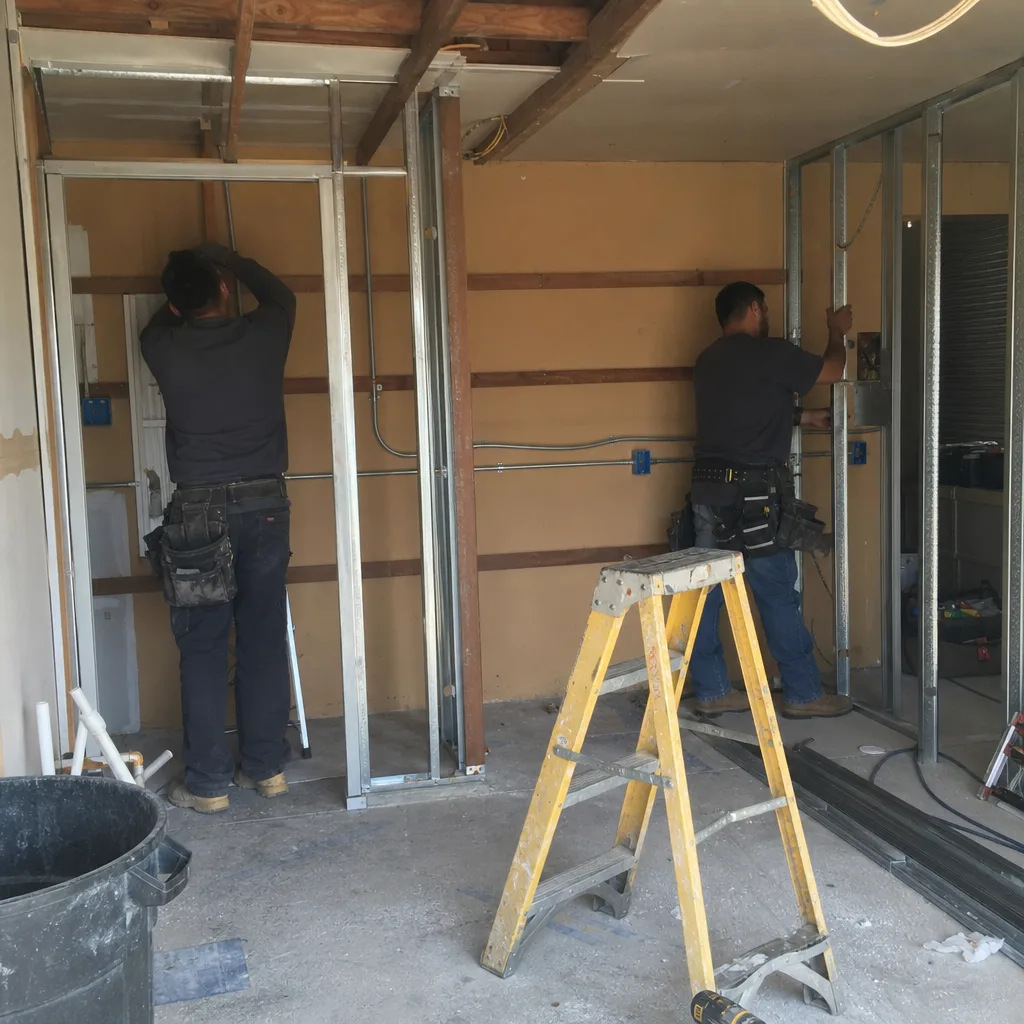
Call a design-build professional when your documentation gaps exceed what city staff can reconstruct, when modifications require structural or MEP (mechanical, electrical, plumbing) design, or when a lender’s documentation request arrives with a rate lock deadline. The cost of professional reconstruction of a permit record typically runs $3,000-$8,000; the cost of a failed sale or refinance is often ten times that.
Ellery ADU Studio Long Beach offers free estimates in Long Beach - call (562) 414-4842. We also provide a Free Second Opinion on any written estimate already in hand, whether for new construction, a garage conversion, or documentation recovery. Visit our more guides & resources for additional ADU planning tools. A live person answers calls 24/7.
Frequently Asked Questions
Retroactive permitting in Long Beach typically costs $15,000-$45,000 for documentation, plan check, and inspection fees, plus correction costs if the as-built condition deviates from code. The range depends on how complete the original construction record is and whether structural, electrical, or plumbing modifications are needed to bring the ADU into current compliance. Call (562) 414-4842 for an exact quote on your situation - estimates are free.
No. Under Haven Standard Clause 1, every project is quoted with a written price before any work begins. The scope is locked at signing; no door-side upsells, no scope creep. If unforeseen conditions arise - we discover buried debris, or the existing slab is unsuitable - we document the condition with photos, explain the options, and only proceed with a written change order that you approve. The original price stands unless you explicitly agree otherwise.
We pull all permits as part of our single-contract design-build model. The permit set is our core product, not an afterthought. We manage Long Beach plan check submittal, correction responses, inspection scheduling, and final sign-off. You receive the complete document set at closeout, indexed and version-controlled, per Haven Standard documentation protocols.
Long Beach Development Services currently processes ADU plan check in 8-12 weeks for standard projects, assuming no zoning variances or coastal commission review. Projects in the Coastal Zone - parts of Belmont Shore, Naples, and the Peninsula - may require additional California Coastal Commission clearance, adding 4-8 weeks. We track every submittal and correction cycle to prevent delays from administrative errors.
Modifications that affect structure, electrical load, plumbing fixtures, or HVAC capacity require a new permit linked to the original permit number. Cosmetic changes - paint, flooring, cabinet replacement - typically do not. The key is documenting which category your change falls into before work starts, because unpermitted modifications discovered at sale create the same liability as an originally unpermitted ADU. We advise on this distinction during our Free Second Opinion consultations.
Yes, if the ADU is fully permitted, separately metered or properly sub-metered, and documented with a certificate of occupancy and current lease or market rent appraisal. Fannie Mae and Freddie Mac guidelines require this documentation explicitly; lenders in Los Angeles County enforce it strictly. The rental income must be stable - typically 12 months of history or a market rent letter from a licensed appraiser. Incomplete documentation will exclude the ADU income from your debt-to-income calculation.
The Bottom Line
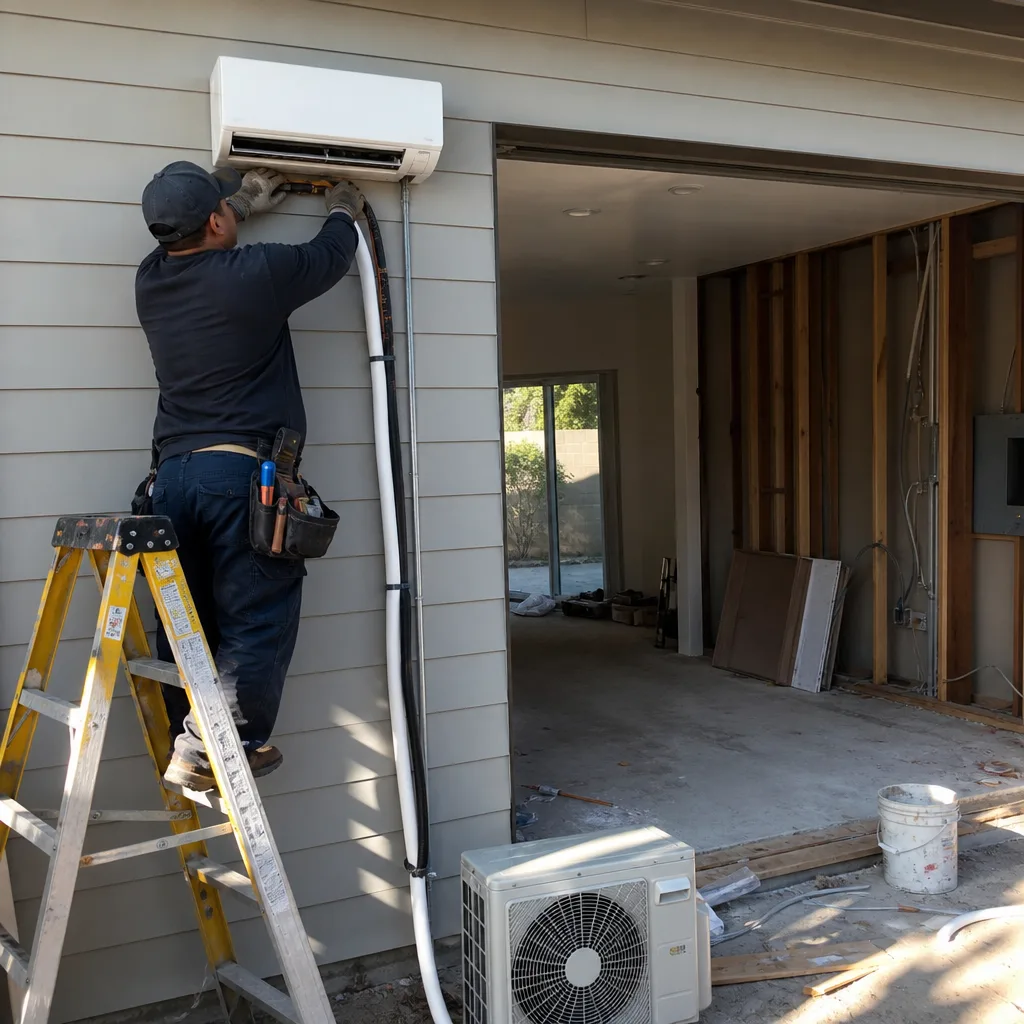
A permitted ADU in Long Beach is a financial asset only if its documentation survives as long as the structure. The four document categories at closeout - stamped permit set, inspection record, certificate of occupancy, utility letters - form the foundation. Annual maintenance checkpoints tailored to coastal conditions preserve your warranty rights. Version-controlled folder discipline and prompt permit updates for modifications keep the record alive for refinancing or sale. The homeowners who avoid the $40,000-$80,000 retroactive permit trap are the ones who treated their permit set as the beginning of a maintenance record, not the end of a construction project.
Written by Nadia Ellery, Owner at Ellery ADU Studio Long Beach, serving Long Beach since 2015.